Dihydroartemisinin
Dihydroartemisinin (DHA) is a drug used in the treatment of malaria. Dihydroartemisinin is a semi-synthetic derivative of artemisinin, a natural product of the Chinese herb Artemisia annua, also known as sweet wormwood. DHA is the active metabolite of all artemisinin compounds (artemisinin, artesunate, artemether, etc.) and is also available as a drug in itself.
Pharmacology[edit]
Dihydroartemisinin is a prodrug of the biologically active metabolite dihydroartemisinin. It is activated by serum esterases to dihydroartemisinin, which is thought to interact with heme to cause oxidative damage to the parasite.
Clinical use[edit]
Dihydroartemisinin is used primarily as a treatment for malaria, specifically for Plasmodium falciparum malaria. It is often combined with piperaquine in a fixed-dose combination for the treatment of uncomplicated falciparum malaria. This combination is known as dihydroartemisinin/piperaquine.
Side effects[edit]
The most common side effects of dihydroartemisinin are nausea, vomiting, and anorexia. Less common side effects include dizziness, headache, palpitations, and abdominal pain.
Resistance[edit]
Resistance to dihydroartemisinin has been reported in Southeast Asia. This resistance is associated with mutations in the kelch13 gene of the malaria parasite.
See also[edit]

-
 Chemical structure of Dihydroartemisinin
 -
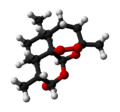 3D molecular model of Dihydroartemisinin
 -
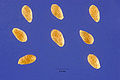 Artemisia annua plant


Ad. Transform your life with W8MD's
GLP-1 weight loss injections special from $29.99 with insurance
|
WikiMD Medical Encyclopedia |
Medical Disclaimer: WikiMD is for informational purposes only and is not a substitute for professional medical advice. Content may be inaccurate or outdated and should not be used for diagnosis or treatment. Always consult your healthcare provider for medical decisions. Verify information with trusted sources such as CDC.gov and NIH.gov. By using this site, you agree that WikiMD is not liable for any outcomes related to its content. See full disclaimer.
Credits:Most images are courtesy of Wikimedia commons, and templates, categories Wikipedia, licensed under CC BY SA or similar.
Translate this page: - East Asian
中文,
日本,
한국어,
South Asian
हिन्दी,
தமிழ்,
తెలుగు,
Urdu,
ಕನ್ನಡ,
Southeast Asian
Indonesian,
Vietnamese,
Thai,
မြန်မာဘာသာ,
বাংলা
European
español,
Deutsch,
français,
Greek,
português do Brasil,
polski,
română,
русский,
Nederlands,
norsk,
svenska,
suomi,
Italian
Middle Eastern & African
عربى,
Turkish,
Persian,
Hebrew,
Afrikaans,
isiZulu,
Kiswahili,
Other
Bulgarian,
Hungarian,
Czech,
Swedish,
മലയാളം,
मराठी,
ਪੰਜਾਬੀ,
ગુજરાતી,
Portuguese,
Ukrainian
