Takayasu's arteritis
Takayasu's arteritis, also known as Takayasu arteritis or pulseless disease, is a rare type of vasculitis that primarily affects the aorta, the main artery that carries blood from the heart to the rest of the body, and its branches. This chronic inflammatory condition leads to the inflammation of the blood vessels, causing them to become narrowed, obstructed, or weakened. Takayasu's arteritis most commonly affects young to middle-aged women, although it can occur in individuals of any age or gender.
Symptoms
The symptoms of Takayasu's arteritis can vary depending on which blood vessels are affected. Common symptoms may include:
- Fatigue
- Fever
- Loss of appetite
- Weight loss
- Muscle and joint pain
- Dizziness or lightheadedness
- Headaches
- Visual disturbances
- Chest pain
- High blood pressure
- Weak or absent pulses in the arms or neck
Causes
The exact cause of Takayasu's arteritis is unknown. It is believed to be an autoimmune disorder, where the body's immune system mistakenly attacks its own blood vessels. Genetic factors may also play a role in predisposing individuals to developing the condition.
Diagnosis
Diagnosing Takayasu's arteritis can be challenging due to its nonspecific symptoms and the rarity of the disease. A combination of medical history, physical examination, blood tests, imaging studies such as angiography, and biopsy of affected blood vessels may be used to confirm the diagnosis.
Treatment
The goal of treatment for Takayasu's arteritis is to reduce inflammation, relieve symptoms, and prevent complications such as organ damage or stroke. Treatment may include:
- Corticosteroids to reduce inflammation
- Immunosuppressive medications to suppress the immune system
- Blood pressure medications to control hypertension
- Antiplatelet or anticoagulant medications to prevent blood clots
- Regular monitoring and follow-up care
Surgery or angioplasty with stent placement may be necessary in cases of severe arterial blockages or aneurysms.

-
 Takayasu's arteritis
 -
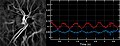 Takayasu's arteritis
 -
 Takayasu's arteritis


Ad. Transform your life with W8MD's
GLP-1 weight loss injections special from $29.99 with insurance
|
WikiMD Medical Encyclopedia |
Medical Disclaimer: WikiMD is for informational purposes only and is not a substitute for professional medical advice. Content may be inaccurate or outdated and should not be used for diagnosis or treatment. Always consult your healthcare provider for medical decisions. Verify information with trusted sources such as CDC.gov and NIH.gov. By using this site, you agree that WikiMD is not liable for any outcomes related to its content. See full disclaimer.
Credits:Most images are courtesy of Wikimedia commons, and templates, categories Wikipedia, licensed under CC BY SA or similar.
Translate this page: - East Asian
中文,
日本,
한국어,
South Asian
हिन्दी,
தமிழ்,
తెలుగు,
Urdu,
ಕನ್ನಡ,
Southeast Asian
Indonesian,
Vietnamese,
Thai,
မြန်မာဘာသာ,
বাংলা
European
español,
Deutsch,
français,
Greek,
português do Brasil,
polski,
română,
русский,
Nederlands,
norsk,
svenska,
suomi,
Italian
Middle Eastern & African
عربى,
Turkish,
Persian,
Hebrew,
Afrikaans,
isiZulu,
Kiswahili,
Other
Bulgarian,
Hungarian,
Czech,
Swedish,
മലയാളം,
मराठी,
ਪੰਜਾਬੀ,
ગુજરાતી,
Portuguese,
Ukrainian
