Opisthorchiidae
Opisthorchiidae is a family of trematodes, commonly known as flatworms or flukes, belonging to the class Trematoda. Members of this family are parasitic, primarily infecting the liver and bile ducts of fish, mammals, and birds. The most notable species within this family are those belonging to the genera Opisthorchis and Clonorchis, which are significant causes of opisthorchiasis and clonorchiasis, respectively. These diseases are of considerable medical importance, particularly in East Asia and Eastern Europe, where the consumption of raw or undercooked fish, a common dietary practice, facilitates the transmission of these parasites to humans.
Life Cycle[edit]
The life cycle of Opisthorchiidae involves multiple hosts. It begins when eggs are released into the environment through the feces of an infected host. These eggs are ingested by a suitable snail species, the first intermediate host, where they hatch into larval forms known as miracidia. Within the snail, miracidia undergo several developmental stages to become cercariae, which are then released into the water. These cercariae infect a second intermediate host, typically a freshwater fish, encysting as metacercariae in the fish's tissues. Humans and other mammals become infected by consuming these infected fish. Once inside the definitive host, the metacercariae excyst in the duodenum, migrate to the bile ducts, and mature into adult flukes, completing the cycle.
Pathogenesis and Clinical Features[edit]
Infection with Opisthorchiidae can lead to a range of clinical manifestations, from asymptomatic to severe inflammatory reactions in the bile ducts and liver. Chronic infection may result in cholangitis, cholecystitis, gallstones, and can predispose individuals to cholangiocarcinoma, a type of bile duct cancer. Symptoms of infection may include abdominal pain, diarrhea, weight loss, and jaundice.
Diagnosis and Treatment[edit]
Diagnosis of Opisthorchiidae infection is typically made by the microscopic identification of eggs in the stool. Serological tests can also be used to detect antibodies or antigens related to the infection. Treatment usually involves the administration of Praziquantel, an anthelmintic medication effective against a wide range of trematodes.
Prevention[edit]
Preventive measures against Opisthorchiidae infection include the avoidance of consuming raw or undercooked freshwater fish. Public health education and improved sanitation can also reduce the transmission of these parasites.
Epidemiology[edit]
Opisthorchiidae infections are endemic in certain regions, particularly in Southeast Asia, Russia, and parts of Eastern Europe. The prevalence of infection in these areas is closely linked to cultural practices of consuming raw fish dishes.

-
 Opisthorchiidae
 -
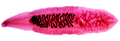 Opisthorchiidae
 -
 Opisthorchiidae


Ad. Transform your life with W8MD's
GLP-1 weight loss injections special from $29.99 with insurance
|
WikiMD Medical Encyclopedia |
Medical Disclaimer: WikiMD is for informational purposes only and is not a substitute for professional medical advice. Content may be inaccurate or outdated and should not be used for diagnosis or treatment. Always consult your healthcare provider for medical decisions. Verify information with trusted sources such as CDC.gov and NIH.gov. By using this site, you agree that WikiMD is not liable for any outcomes related to its content. See full disclaimer.
Credits:Most images are courtesy of Wikimedia commons, and templates, categories Wikipedia, licensed under CC BY SA or similar.
Translate this page: - East Asian
中文,
日本,
한국어,
South Asian
हिन्दी,
தமிழ்,
తెలుగు,
Urdu,
ಕನ್ನಡ,
Southeast Asian
Indonesian,
Vietnamese,
Thai,
မြန်မာဘာသာ,
বাংলা
European
español,
Deutsch,
français,
Greek,
português do Brasil,
polski,
română,
русский,
Nederlands,
norsk,
svenska,
suomi,
Italian
Middle Eastern & African
عربى,
Turkish,
Persian,
Hebrew,
Afrikaans,
isiZulu,
Kiswahili,
Other
Bulgarian,
Hungarian,
Czech,
Swedish,
മലയാളം,
मराठी,
ਪੰਜਾਬੀ,
ગુજરાતી,
Portuguese,
Ukrainian
