Mandazi
Mandazi (also known as the Swahili Bun or Swahili Coconut Doughnut) is a form of fried bread that originated from the Swahili people of the East African coast. It is one of the principal dishes in the East African cuisine and is popular in countries such as Kenya, Tanzania, and Uganda.
History[edit]
The origin of Mandazi can be traced back to the Swahili people who inhabit the East African coast. The dish has since spread to other parts of East Africa and is now a staple in many households and eateries in the region.
Preparation[edit]
Mandazi is made by mixing flour, sugar, and coconut milk to create a dough. The dough is then divided into small pieces, shaped into balls or triangles, and deep-fried until golden brown. Some variations of the recipe may include additional ingredients such as cardamom, cinnamon, or raisins to enhance the flavor.
Cultural Significance[edit]
Mandazi holds a significant place in East African culture. It is commonly served during special occasions and celebrations such as weddings and religious festivals. In addition, it is also a popular street food and is often sold by vendors in markets and roadside stalls.
See Also[edit]
References[edit]
<references />


-
 A bowl of mandazi
 -
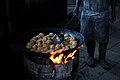 Mandazi being produced


Ad. Transform your health with W8MD Weight Loss, Sleep & MedSpa

Tired of being overweight?
Special offer:
Budget GLP-1 weight loss medications
- Semaglutide starting from $29.99/week and up with insurance for visit of $59.99 and up per week self pay.
- Tirzepatide starting from $45.00/week and up (dose dependent) or $69.99/week and up self pay
✔ Same-week appointments, evenings & weekends
Learn more:
- GLP-1 weight loss clinic NYC
- W8MD's NYC medical weight loss
- W8MD Philadelphia GLP-1 shots
- Philadelphia GLP-1 injections
- Affordable GLP-1 shots NYC
|
WikiMD Medical Encyclopedia |
Medical Disclaimer: WikiMD is for informational purposes only and is not a substitute for professional medical advice. Content may be inaccurate or outdated and should not be used for diagnosis or treatment. Always consult your healthcare provider for medical decisions. Verify information with trusted sources such as CDC.gov and NIH.gov. By using this site, you agree that WikiMD is not liable for any outcomes related to its content. See full disclaimer.
Credits:Most images are courtesy of Wikimedia commons, and templates, categories Wikipedia, licensed under CC BY SA or similar.
Translate this page: - East Asian
中文,
日本,
한국어,
South Asian
हिन्दी,
தமிழ்,
తెలుగు,
Urdu,
ಕನ್ನಡ,
Southeast Asian
Indonesian,
Vietnamese,
Thai,
မြန်မာဘာသာ,
বাংলা
European
español,
Deutsch,
français,
Greek,
português do Brasil,
polski,
română,
русский,
Nederlands,
norsk,
svenska,
suomi,
Italian
Middle Eastern & African
عربى,
Turkish,
Persian,
Hebrew,
Afrikaans,
isiZulu,
Kiswahili,
Other
Bulgarian,
Hungarian,
Czech,
Swedish,
മലയാളം,
मराठी,
ਪੰਜਾਬੀ,
ગુજરાતી,
Portuguese,
Ukrainian
