Ad hominem
Ad hominem is a term used to describe a type of logical fallacy where an argument is rebutted by attacking the character, motive, or other attribute of the person making the argument, rather than addressing the substance of the argument itself. The term is derived from the Latin phrase "argumentum ad hominem," which means "argument to the person."
Overview
The ad hominem fallacy is a common tactic in debates and discussions, where the focus shifts from the argument to the individual presenting it. This can undermine the logical structure of the argument and distract from the actual issues at hand. Ad hominem attacks are often used to discredit an opponent's position by questioning their credibility, integrity, or character.
Types of Ad Hominem
There are several types of ad hominem arguments, including:
- Abusive ad hominem: This involves directly attacking the opponent's character or personal traits in an attempt to undermine their argument. For example, calling someone "stupid" or "ignorant" instead of addressing their points.
- Circumstantial ad hominem: This occurs when an argument is dismissed based on the circumstances or interests of the person making it. For example, suggesting that a scientist's research is invalid because they are funded by a particular organization.
- Tu quoque: This type of ad hominem involves accusing the opponent of hypocrisy, suggesting that their argument is invalid because they do not practice what they preach.
- Guilt by association: This involves discrediting an argument by associating the opponent with a negative group or idea.
Historical Context
The concept of ad hominem arguments dates back to ancient Greek philosophy, where philosophers like Aristotle discussed the importance of focusing on the argument rather than the person. Aristotle's work on rhetoric and logic laid the foundation for understanding various types of fallacies, including ad hominem.
Use in Modern Discourse
In modern discourse, ad hominem attacks are prevalent in political debates, social media interactions, and other forms of public discussion. They are often used as a rhetorical strategy to sway public opinion or to avoid engaging with the actual issues being debated.
Criticism and Avoidance
Critics of ad hominem arguments emphasize the importance of focusing on the merits of the argument itself rather than the individual presenting it. Logical discourse requires addressing the evidence and reasoning behind a claim, rather than resorting to personal attacks.
Related pages
Gallery
-
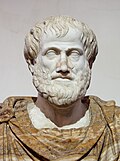 Bust of Aristotle, who discussed logical fallacies.

Ad. Transform your health with W8MD Weight Loss, Sleep & MedSpa

Tired of being overweight?
Special offer:
Budget GLP-1 weight loss medications
- Semaglutide starting from $29.99/week and up with insurance for visit of $59.99 and up per week self pay.
- Tirzepatide starting from $45.00/week and up (dose dependent) or $69.99/week and up self pay
✔ Same-week appointments, evenings & weekends ✔ Tele visits available with certain limitations Learn more:
- GLP-1 weight loss clinic NYC
- W8MD's NYC medical weight loss
- W8MD Philadelphia GLP-1 shots
- Philadelphia GLP-1 injections
- Affordable GLP-1 shots NYC
- Budget GLP-1 shots
|
WikiMD Medical Encyclopedia |
Medical Disclaimer: WikiMD is for informational purposes only and is not a substitute for professional medical advice. Content may be inaccurate or outdated and should not be used for diagnosis or treatment. Always consult your healthcare provider for medical decisions. Verify information with trusted sources such as CDC.gov and NIH.gov. By using this site, you agree that WikiMD is not liable for any outcomes related to its content. See full disclaimer.
Credits:Most images are courtesy of Wikimedia commons, and templates, categories Wikipedia, licensed under CC BY SA or similar.
Translate this page: - East Asian
中文,
日本,
한국어,
South Asian
हिन्दी,
தமிழ்,
తెలుగు,
Urdu,
ಕನ್ನಡ,
Southeast Asian
Indonesian,
Vietnamese,
Thai,
မြန်မာဘာသာ,
বাংলা
European
español,
Deutsch,
français,
Greek,
português do Brasil,
polski,
română,
русский,
Nederlands,
norsk,
svenska,
suomi,
Italian
Middle Eastern & African
عربى,
Turkish,
Persian,
Hebrew,
Afrikaans,
isiZulu,
Kiswahili,
Other
Bulgarian,
Hungarian,
Czech,
Swedish,
മലയാളം,
मराठी,
ਪੰਜਾਬੀ,
ગુજરાતી,
Portuguese,
Ukrainian
