Aging and society
Aging and Society

Aging is a natural process that affects individuals and societies worldwide. As people age, they experience various biological, psychological, and social changes. The study of aging and its impact on society is a multidisciplinary field that encompasses gerontology, sociology, economics, and public health.
Biological Aspects of Aging
Aging involves a gradual decline in physiological functions, which can lead to increased vulnerability to diseases and a decrease in the ability to adapt to stress. Key biological changes include:
- Cellular Senescence: Cells lose the ability to divide and function, contributing to tissue degeneration.
- Genetic Factors: Certain genes influence longevity and the aging process.
- Hormonal Changes: Levels of hormones such as estrogen and testosterone decrease, affecting metabolism and physical health.
Psychological Aspects of Aging
Aging can also impact mental health and cognitive function. Common psychological changes include:
- Cognitive Decline: Memory, attention, and problem-solving abilities may diminish.
- Emotional Changes: Older adults may experience changes in mood and increased risk of depression.
- Adaptation and Coping: Many older adults develop resilience and coping strategies to deal with aging-related challenges.
Social Aspects of Aging
The social implications of aging are significant, affecting family dynamics, community structures, and societal resources. Important social aspects include:
- Family Roles: Older adults often play crucial roles in families as caregivers and sources of wisdom.
- Social Isolation: Many elderly individuals face loneliness due to loss of peers and mobility issues.
- Economic Impact: Aging populations can strain pension systems and healthcare services.
Cultural Perspectives on Aging
Different cultures have varying attitudes towards aging and the elderly. In some societies, older adults are revered and respected, while in others, they may face ageism and discrimination.
Healthcare and Aging
Healthcare systems must adapt to meet the needs of an aging population. This includes:
- Geriatric Care: Specialized medical care for older adults.
- Chronic Disease Management: Addressing conditions such as arthritis, diabetes, and heart disease.
- Assistive Technologies: Devices like hearing aids and mobility aids improve quality of life.
Policy and Aging
Governments and organizations develop policies to address the challenges of aging populations. Key policy areas include:
- Retirement and Pensions: Ensuring financial security for older adults.
- Healthcare Access: Providing affordable and comprehensive healthcare services.
- Age-Friendly Environments: Creating communities that support active aging.
Related Pages
Gallery
-
 An elderly Gambian woman.
 -
 Ancient Egyptian depiction of aging.
 -
 Elderly individuals in a social setting.
 -
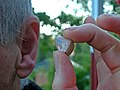 A modern hearing aid.
 -
 An older adult in a military context.
 -
 Senior health services in San Francisco.


Ad. Transform your life with W8MD's
GLP-1 weight loss injections special from $29.99 with insurance
|
WikiMD Medical Encyclopedia |
Medical Disclaimer: WikiMD is for informational purposes only and is not a substitute for professional medical advice. Content may be inaccurate or outdated and should not be used for diagnosis or treatment. Always consult your healthcare provider for medical decisions. Verify information with trusted sources such as CDC.gov and NIH.gov. By using this site, you agree that WikiMD is not liable for any outcomes related to its content. See full disclaimer.
Credits:Most images are courtesy of Wikimedia commons, and templates, categories Wikipedia, licensed under CC BY SA or similar.
Translate this page: - East Asian
中文,
日本,
한국어,
South Asian
हिन्दी,
தமிழ்,
తెలుగు,
Urdu,
ಕನ್ನಡ,
Southeast Asian
Indonesian,
Vietnamese,
Thai,
မြန်မာဘာသာ,
বাংলা
European
español,
Deutsch,
français,
Greek,
português do Brasil,
polski,
română,
русский,
Nederlands,
norsk,
svenska,
suomi,
Italian
Middle Eastern & African
عربى,
Turkish,
Persian,
Hebrew,
Afrikaans,
isiZulu,
Kiswahili,
Other
Bulgarian,
Hungarian,
Czech,
Swedish,
മലയാളം,
मराठी,
ਪੰਜਾਬੀ,
ગુજરાતી,
Portuguese,
Ukrainian
