Calcium pyrophosphate dihydrate crystal deposition disease
Calcium pyrophosphate dihydrate crystal deposition disease (CPPD), also known as pyrophosphate arthropathy or pseudogout, is a type of arthritis that results from the deposition of calcium pyrophosphate dihydrate (CPPD) crystals in the joints. This condition can lead to episodes of joint inflammation and pain, which are often mistaken for gout, a similar condition caused by the deposition of uric acid crystals.
Symptoms and Diagnosis
The symptoms of CPPD include sudden, severe joint pain, swelling, and warmth, most commonly affecting the knees, wrists, shoulders, ankles, elbows, or hands. The episodes, often referred to as "attacks," can vary in frequency and intensity. Diagnosis typically involves a combination of clinical evaluation, X-ray imaging, which may show characteristic calcifications known as "chondrocalcinosis," and analysis of joint fluid to identify CPPD crystals under a microscope.
Causes and Risk Factors
The exact cause of CPPD is not fully understood, but it is believed to involve a combination of genetic and environmental factors. Age is a significant risk factor, with the condition more commonly affecting older adults. Other risk factors may include a history of joint injury, certain metabolic disorders such as hyperparathyroidism, and a family history of the disease.
Treatment
While there is no cure for CPPD, treatment focuses on managing symptoms and preventing future attacks. This may include nonsteroidal anti-inflammatory drugs (NSAIDs) for pain and inflammation, colchicine to reduce the frequency of attacks, and corticosteroid injections directly into the affected joint for severe cases. Physical therapy may also be recommended to maintain joint function and mobility.
Prognosis
The prognosis for individuals with CPPD varies. Some may experience only occasional attacks, while others may develop chronic arthritis with joint damage over time. Early diagnosis and management are crucial to improving quality of life and preventing long-term complications.

-
 Birefringence microscopy of pseudogout
 -
 Pseudogout crystals (calcium pyrophosphate dihydrate crystal)
 -
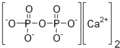 Calcium pyrophosphate
 -
 Chondrocalcinosis
 -
 Pseudogout - high magnification
 -
 Calcium pyrophosphate dihydrate crystals without and with condenser

.png)


-
Pseudogout crystals (calcium pyrophosphate dihydrate crystal)
-
Calcium pyrophosphate
-
Chondrocalcinosis - annotated
-
Pseudogout - high magnification
-
Calcium pyrophosphate dihydrate crystals without and with condenser, annotated
Ad. Transform your life with W8MD's Budget GLP-1 injections from $75


W8MD offers a medical weight loss program to lose weight in Philadelphia. Our physician-supervised medical weight loss provides:
- Weight loss injections in NYC (generic and brand names):
- Zepbound / Mounjaro, Wegovy / Ozempic, Saxenda
- Most insurances accepted or discounted self-pay rates. We will obtain insurance prior authorizations if needed.
- Generic GLP1 weight loss injections from $75 for the starting dose.
- Also offer prescription weight loss medications including Phentermine, Qsymia, Diethylpropion, Contrave etc.
NYC weight loss doctor appointmentsNYC weight loss doctor appointments
Start your NYC weight loss journey today at our NYC medical weight loss and Philadelphia medical weight loss clinics.
- Call 718-946-5500 to lose weight in NYC or for medical weight loss in Philadelphia 215-676-2334.
- Tags:NYC medical weight loss, Philadelphia lose weight Zepbound NYC, Budget GLP1 weight loss injections, Wegovy Philadelphia, Wegovy NYC, Philadelphia medical weight loss, Brookly weight loss and Wegovy NYC


|
WikiMD's Wellness Encyclopedia |
| Let Food Be Thy Medicine Medicine Thy Food - Hippocrates |
Medical Disclaimer: WikiMD is not a substitute for professional medical advice. The information on WikiMD is provided as an information resource only, may be incorrect, outdated or misleading, and is not to be used or relied on for any diagnostic or treatment purposes. Please consult your health care provider before making any healthcare decisions or for guidance about a specific medical condition. WikiMD expressly disclaims responsibility, and shall have no liability, for any damages, loss, injury, or liability whatsoever suffered as a result of your reliance on the information contained in this site. By visiting this site you agree to the foregoing terms and conditions, which may from time to time be changed or supplemented by WikiMD. If you do not agree to the foregoing terms and conditions, you should not enter or use this site. See full disclaimer.
Credits:Most images are courtesy of Wikimedia commons, and templates, categories Wikipedia, licensed under CC BY SA or similar.
Translate this page: - East Asian
中文,
日本,
한국어,
South Asian
हिन्दी,
தமிழ்,
తెలుగు,
Urdu,
ಕನ್ನಡ,
Southeast Asian
Indonesian,
Vietnamese,
Thai,
မြန်မာဘာသာ,
বাংলা
European
español,
Deutsch,
français,
Greek,
português do Brasil,
polski,
română,
русский,
Nederlands,
norsk,
svenska,
suomi,
Italian
Middle Eastern & African
عربى,
Turkish,
Persian,
Hebrew,
Afrikaans,
isiZulu,
Kiswahili,
Other
Bulgarian,
Hungarian,
Czech,
Swedish,
മലയാളം,
मराठी,
ਪੰਜਾਬੀ,
ગુજરાતી,
Portuguese,
Ukrainian
