Candida albicans
Candida albicans is a species of fungus that is part of the normal microbiota in the human body. It is commonly found in the gastrointestinal tract, oral cavity, and vagina. However, under certain conditions, it can cause infection, known as candidiasis.
Characteristics
Candida albicans is a dimorphic fungus, meaning it can exist in two different forms: as yeast cells or as filamentous cells. The yeast form is oval-shaped and reproduces by budding, while the filamentous form consists of long, thread-like cells called hyphae.
Pathogenicity
While Candida albicans is normally harmless, it can become pathogenic under certain conditions. This usually occurs when the immune system is weakened, such as in individuals with HIV/AIDS or those undergoing chemotherapy. Other risk factors include the use of antibiotics, which can disrupt the normal balance of microbiota, and diabetes, which can alter the body's pH and create a more favorable environment for the fungus.
Diagnosis and Treatment
Diagnosis of Candida albicans infections is typically done through laboratory testing, including microscopy and culture. Treatment usually involves antifungal medication, such as fluconazole or amphotericin B.
Research
Research on Candida albicans is ongoing, with scientists studying its genetics, pathogenicity, and resistance to antifungal drugs. This research is crucial for the development of new treatments and prevention strategies.

-
 Candida albicans
 -
 Candida albicans
 -
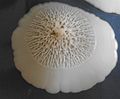 Candida albicans
 -
 Candida albicans
 -
 Candida albicans
 -
Candida albicans
-
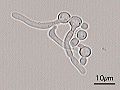 Candida albicans
 -
Candida albicans
-
 Candida albicans
 -
 Candida albicans


-
 Candida albicans
 -
Candida albicans
-
Candida albicans
-
Candida albicans
-
Candida albicans
-
Candida albicans
-
Candida albicans
-
Candida albicans
-
Candida albicans
Ad. Transform your life with W8MD's
GLP-1 weight loss injections special from $29.99 with insurance
|
WikiMD Medical Encyclopedia |
Medical Disclaimer: WikiMD is for informational purposes only and is not a substitute for professional medical advice. Content may be inaccurate or outdated and should not be used for diagnosis or treatment. Always consult your healthcare provider for medical decisions. Verify information with trusted sources such as CDC.gov and NIH.gov. By using this site, you agree that WikiMD is not liable for any outcomes related to its content. See full disclaimer.
Credits:Most images are courtesy of Wikimedia commons, and templates, categories Wikipedia, licensed under CC BY SA or similar.
Translate this page: - East Asian
中文,
日本,
한국어,
South Asian
हिन्दी,
தமிழ்,
తెలుగు,
Urdu,
ಕನ್ನಡ,
Southeast Asian
Indonesian,
Vietnamese,
Thai,
မြန်မာဘာသာ,
বাংলা
European
español,
Deutsch,
français,
Greek,
português do Brasil,
polski,
română,
русский,
Nederlands,
norsk,
svenska,
suomi,
Italian
Middle Eastern & African
عربى,
Turkish,
Persian,
Hebrew,
Afrikaans,
isiZulu,
Kiswahili,
Other
Bulgarian,
Hungarian,
Czech,
Swedish,
മലയാളം,
मराठी,
ਪੰਜਾਬੀ,
ગુજરાતી,
Portuguese,
Ukrainian
