Breathing gas
Breathing gas refers to any gas mixture used for respiration by living organisms. It is a crucial component for various life forms on Earth, particularly humans, animals, and certain plants during respiration. The primary function of a breathing gas is to facilitate the exchange of oxygen and carbon dioxide between an organism's cells and the external environment, a process essential for cellular respiration and energy production.
Composition
The most common natural breathing gas is atmospheric air, which is composed of approximately 78% nitrogen, 21% oxygen, 0.93% argon, and 0.04% carbon dioxide, along with trace amounts of other gases. However, the specific composition of a breathing gas can vary depending on the requirements of the organism and the environment in which it is used. For example, the breathing gas used in scuba diving and space travel is often enriched with oxygen to support human life under conditions where atmospheric air is not available or suitable.
Types of Breathing Gases
Breathing gases can be classified into several types based on their use and composition:
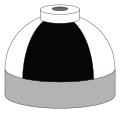
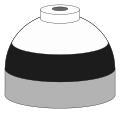
1. Atmospheric Air: The natural air present in the Earth's atmosphere, used by most terrestrial organisms for respiration. 2. Oxygen-Enriched Air: Air with a higher concentration of oxygen than atmospheric levels, used in medical treatments and underwater diving. 3. Synthetic Air: A mixture of oxygen and nitrogen produced artificially for use in environments where natural air is not available, such as in space stations. 4. Heliox: A mixture of helium and oxygen, used in deep-sea diving to prevent nitrogen narcosis. 5. Trimix: A mixture of oxygen, nitrogen, and helium, used in technical diving to reduce the risks associated with deep dives.
Applications
Breathing gases find applications in various fields, including medicine, diving, space exploration, and firefighting. In medicine, oxygen-enriched air is used to treat conditions such as chronic obstructive pulmonary disease (COPD), carbon monoxide poisoning, and hypoxia. In diving and space exploration, specialized breathing gases are used to ensure the safety and survival of divers and astronauts in environments where atmospheric air is not present.
Safety and Regulation
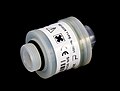
The use of breathing gases, particularly in professional settings such as diving and space travel, is subject to strict safety standards and regulations. The composition of the breathing gas must be carefully controlled to prevent hypoxia (low levels of oxygen), hyperoxia (high levels of oxygen), and other gas-related hazards such as nitrogen narcosis and oxygen toxicity.
Environmental Considerations
The production and use of synthetic breathing gases can have environmental impacts, including the emission of greenhouse gases during the manufacturing process. Sustainable practices and the development of environmentally friendly technologies are essential to minimize these impacts.
Conclusion
Breathing gas is a vital component for life on Earth, supporting a wide range of biological and technological processes. Its composition and application vary widely, reflecting the diversity of environments in which organisms live and operate. As humanity continues to explore new frontiers, the development of safe and sustainable breathing gases will remain a key area of research and innovation.

-
 Breathing gas
 -
 Breathing gas
 -
 Breathing gas
 -
 Breathing gas
 -
 Breathing gas
 -
 Breathing gas
 -
 Breathing gas
 -
 Breathing gas
 -
 Breathing gas
 -
 Breathing gas
 -
 Breathing gas
 -
 Breathing gas


-
 Breathing gas
 -
Breathing gas
-
Breathing gas
-
Breathing gas
-
Breathing gas
-
Breathing gas
-
Breathing gas
-
Breathing gas
-
Breathing gas
-
Breathing gas
-
Breathing gas
-
Breathing gas

Ad. Transform your life with W8MD's
GLP-1 weight loss injections special from $29.99 with insurance
|
WikiMD Medical Encyclopedia |
Medical Disclaimer: WikiMD is for informational purposes only and is not a substitute for professional medical advice. Content may be inaccurate or outdated and should not be used for diagnosis or treatment. Always consult your healthcare provider for medical decisions. Verify information with trusted sources such as CDC.gov and NIH.gov. By using this site, you agree that WikiMD is not liable for any outcomes related to its content. See full disclaimer.
Credits:Most images are courtesy of Wikimedia commons, and templates, categories Wikipedia, licensed under CC BY SA or similar.
Translate this page: - East Asian
中文,
日本,
한국어,
South Asian
हिन्दी,
தமிழ்,
తెలుగు,
Urdu,
ಕನ್ನಡ,
Southeast Asian
Indonesian,
Vietnamese,
Thai,
မြန်မာဘာသာ,
বাংলা
European
español,
Deutsch,
français,
Greek,
português do Brasil,
polski,
română,
русский,
Nederlands,
norsk,
svenska,
suomi,
Italian
Middle Eastern & African
عربى,
Turkish,
Persian,
Hebrew,
Afrikaans,
isiZulu,
Kiswahili,
Other
Bulgarian,
Hungarian,
Czech,
Swedish,
മലയാളം,
मराठी,
ਪੰਜਾਬੀ,
ગુજરાતી,
Portuguese,
Ukrainian
