Famine
An overview of famine, its causes, effects, and historical examples
Famine
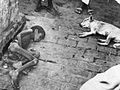
A famine is a widespread scarcity of food, caused by several factors including war, inflation, crop failure, population imbalance, or government policies. This phenomenon is usually accompanied or followed by regional malnutrition, starvation, epidemic, and increased mortality.
Causes of Famine
Famines can be triggered by natural events such as droughts, floods, and pestilence, or by human actions such as war and economic mismanagement.
Natural Causes
Drought is one of the most common natural causes of famine. It leads to crop failure and water shortages, which in turn result in food scarcity. Flooding can also destroy crops and infrastructure, leading to similar outcomes.
Human Causes
War and conflict can disrupt food production and distribution, leading to famine. Economic policies, such as those that lead to hyperinflation or severe economic downturns, can also result in food shortages. Additionally, political decisions, such as those seen in the Great Chinese Famine during the "Great Leap Forward," can exacerbate or directly cause famine conditions.
Effects of Famine
The effects of famine are devastating and far-reaching. They include severe malnutrition, increased mortality rates, and long-term health problems among survivors. Famine can also lead to social and political instability, as populations become desperate for food and resources.
Historical Examples
The Irish Potato Famine
The Irish Potato Famine of 1845-1852 was caused by a potato disease known as late blight. The famine resulted in the death of approximately one million people and the emigration of another million, leading to a significant decline in Ireland's population.
The Bengal Famine of 1943
The Bengal Famine of 1943 was a major famine in the Bengal province of British India during World War II. It is estimated that around 2.1 to 3 million people died due to starvation, malnutrition, and disease.
The Ethiopian Famine of 1983-1985
The Ethiopian Famine of 1983-1985 was caused by a combination of drought and political instability. It is estimated that over 400,000 people died as a result of this famine.
Prevention and Mitigation
Efforts to prevent and mitigate famine include improving agricultural practices, developing drought-resistant crops, and implementing effective food distribution systems. International aid and cooperation are also crucial in addressing the immediate needs of populations affected by famine.
Related pages
-
 Famine
 -
 Famine
 -
 Famine
 -
 Famine


Ad. Transform your life with W8MD's Budget GLP-1 injections from $75


W8MD offers a medical weight loss program to lose weight in Philadelphia. Our physician-supervised medical weight loss provides:
- Weight loss injections in NYC (generic and brand names):
- Zepbound / Mounjaro, Wegovy / Ozempic, Saxenda
- Most insurances accepted or discounted self-pay rates. We will obtain insurance prior authorizations if needed.
- Generic GLP1 weight loss injections from $75 for the starting dose.
- Also offer prescription weight loss medications including Phentermine, Qsymia, Diethylpropion, Contrave etc.
NYC weight loss doctor appointmentsNYC weight loss doctor appointments
Start your NYC weight loss journey today at our NYC medical weight loss and Philadelphia medical weight loss clinics.
- Call 718-946-5500 to lose weight in NYC or for medical weight loss in Philadelphia 215-676-2334.
- Tags:NYC medical weight loss, Philadelphia lose weight Zepbound NYC, Budget GLP1 weight loss injections, Wegovy Philadelphia, Wegovy NYC, Philadelphia medical weight loss, Brookly weight loss and Wegovy NYC


|
WikiMD's Wellness Encyclopedia |
| Let Food Be Thy Medicine Medicine Thy Food - Hippocrates |
Medical Disclaimer: WikiMD is not a substitute for professional medical advice. The information on WikiMD is provided as an information resource only, may be incorrect, outdated or misleading, and is not to be used or relied on for any diagnostic or treatment purposes. Please consult your health care provider before making any healthcare decisions or for guidance about a specific medical condition. WikiMD expressly disclaims responsibility, and shall have no liability, for any damages, loss, injury, or liability whatsoever suffered as a result of your reliance on the information contained in this site. By visiting this site you agree to the foregoing terms and conditions, which may from time to time be changed or supplemented by WikiMD. If you do not agree to the foregoing terms and conditions, you should not enter or use this site. See full disclaimer.
Credits:Most images are courtesy of Wikimedia commons, and templates, categories Wikipedia, licensed under CC BY SA or similar.
Translate this page: - East Asian
中文,
日本,
한국어,
South Asian
हिन्दी,
தமிழ்,
తెలుగు,
Urdu,
ಕನ್ನಡ,
Southeast Asian
Indonesian,
Vietnamese,
Thai,
မြန်မာဘာသာ,
বাংলা
European
español,
Deutsch,
français,
Greek,
português do Brasil,
polski,
română,
русский,
Nederlands,
norsk,
svenska,
suomi,
Italian
Middle Eastern & African
عربى,
Turkish,
Persian,
Hebrew,
Afrikaans,
isiZulu,
Kiswahili,
Other
Bulgarian,
Hungarian,
Czech,
Swedish,
മലയാളം,
मराठी,
ਪੰਜਾਬੀ,
ગુજરાતી,
Portuguese,
Ukrainian


