Oriental melon
Oriental Melon (Cucumis melo Makuwa Group), also known as the Korean melon, is a type of melon primarily grown in East Asia. Despite its name, the Oriental melon is not limited to the Orient or Asia, as it is also cultivated in different parts of the world.
Description
The Oriental melon is a small, oblong fruit that typically measures between 4 to 8 inches in length. It has a bright yellow outer skin and a white, crisp inner flesh. The flavor of the Oriental melon is subtly sweet, with a high water content, making it a refreshing fruit especially during the summer months.
Cultivation
Oriental melons prefer a warm, temperate climate, similar to that of their native East Asia. They are typically planted in the spring and harvested in the summer. The melons grow on vines and require a well-drained soil rich in organic matter.
Uses
Oriental melons are often eaten fresh, as a dessert or a snack. They can also be used in salads, smoothies, and desserts. In Korea, they are commonly used in a traditional dish called Melona, a melon-flavored ice pop.
Nutritional Value
Oriental melons are low in calories and high in vitamins A and C. They also contain a good amount of potassium and dietary fiber.
See Also

-
 Oriental melon
 -
 Oriental melon
 -
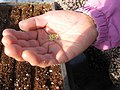 Oriental melon
 -
 Oriental melon
 -
 Oriental melon
 -
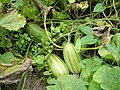 Oriental melon
 -
 Oriental melon
 -
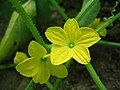 Oriental melon
 -
 Oriental melon
 -
Oriental melon
-
 Oriental melon
 -
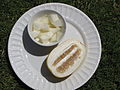 Oriental melon


Ad. Transform your health with W8MD Weight Loss, Sleep & MedSpa

Tired of being overweight?
Get started with evidence based, physician-supervised
affordable GLP-1 weight loss injections
Now available in New York City and Philadelphia:
- Semaglutide starting from $59.99/week and up
- Tirzepatide starting from $69.99/week and up (dose dependent)
✔ Evidence-based medical weight loss ✔ Insurance-friendly visits available ✔ Same-week appointments, evenings & weekends
Learn more:
Start your transformation today with W8MD weight loss centers.
|
WikiMD Medical Encyclopedia |
Medical Disclaimer: WikiMD is for informational purposes only and is not a substitute for professional medical advice. Content may be inaccurate or outdated and should not be used for diagnosis or treatment. Always consult your healthcare provider for medical decisions. Verify information with trusted sources such as CDC.gov and NIH.gov. By using this site, you agree that WikiMD is not liable for any outcomes related to its content. See full disclaimer.
Credits:Most images are courtesy of Wikimedia commons, and templates, categories Wikipedia, licensed under CC BY SA or similar.
Translate this page: - East Asian
中文,
日本,
한국어,
South Asian
हिन्दी,
தமிழ்,
తెలుగు,
Urdu,
ಕನ್ನಡ,
Southeast Asian
Indonesian,
Vietnamese,
Thai,
မြန်မာဘာသာ,
বাংলা
European
español,
Deutsch,
français,
Greek,
português do Brasil,
polski,
română,
русский,
Nederlands,
norsk,
svenska,
suomi,
Italian
Middle Eastern & African
عربى,
Turkish,
Persian,
Hebrew,
Afrikaans,
isiZulu,
Kiswahili,
Other
Bulgarian,
Hungarian,
Czech,
Swedish,
മലയാളം,
मराठी,
ਪੰਜਾਬੀ,
ગુજરાતી,
Portuguese,
Ukrainian
