Okavirus
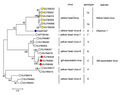
Okavirus is a genus of viruses in the family Picornaviridae, which is a large family of viruses that infect animals, including humans. The viruses within the Okavirus genus are known to infect fish, causing diseases that can be significant in the aquaculture industry. Diseases associated with Okavirus infections can lead to high mortality rates in fish, impacting both wild populations and aquaculture operations.
Characteristics
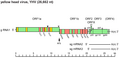
Okaviruses are small, non-enveloped viruses with a single-stranded RNA genome. Like other members of the Picornaviridae family, they have an icosahedral capsid structure. The genome of Okaviruses encodes a polyprotein that is post-translationally processed into functional viral proteins. These proteins include those necessary for viral replication, structure, and host interaction.
Pathogenesis
The pathogenesis of Okavirus infections involves the virus entering the host fish through the gills, skin, or digestive tract. Once inside the host, the virus replicates in susceptible cells, leading to tissue damage and the symptoms associated with the disease. The immune response of the fish plays a crucial role in the progression and outcome of the infection. In some cases, infected fish may become carriers of the virus, shedding it into the environment and posing a risk to other fish.
Diseases
Okavirus infections can cause a variety of diseases in fish, with symptoms ranging from mild to severe. These may include lethargy, loss of appetite, skin lesions, and high mortality rates. The specific disease and its severity depend on factors such as the species of fish, the strain of Okavirus, and environmental conditions.
Diagnosis
Diagnosis of Okavirus infections is typically based on clinical signs, histopathological examination, and molecular techniques such as polymerase chain reaction (PCR) to detect viral RNA. Serological methods can also be used to detect antibodies against the virus in the fish's serum, indicating exposure to the virus.
Prevention and Control
Prevention and control of Okavirus infections in aquaculture operations involve biosecurity measures, such as quarantine of new fish, disinfection of equipment, and management of water quality. Vaccination may also be an effective strategy for preventing disease in some cases. However, the development of vaccines against Okaviruses is challenging due to the diversity of viruses within this genus and the varying susceptibility of fish species.
Research
Research on Okaviruses is focused on understanding the molecular biology of the virus, the interaction between the virus and the host's immune system, and the development of effective vaccines and treatments. Advances in molecular techniques have improved the detection and characterization of Okaviruses, contributing to better disease management strategies.

-
 Roniviridae virion
 -
 Okavirus
 -
Roniviridae
-
 Okavirus


Ad. Transform your life with W8MD's
GLP-1 weight loss injections special from $29.99 with insurance
|
WikiMD Medical Encyclopedia |
Medical Disclaimer: WikiMD is for informational purposes only and is not a substitute for professional medical advice. Content may be inaccurate or outdated and should not be used for diagnosis or treatment. Always consult your healthcare provider for medical decisions. Verify information with trusted sources such as CDC.gov and NIH.gov. By using this site, you agree that WikiMD is not liable for any outcomes related to its content. See full disclaimer.
Credits:Most images are courtesy of Wikimedia commons, and templates, categories Wikipedia, licensed under CC BY SA or similar.
Translate this page: - East Asian
中文,
日本,
한국어,
South Asian
हिन्दी,
தமிழ்,
తెలుగు,
Urdu,
ಕನ್ನಡ,
Southeast Asian
Indonesian,
Vietnamese,
Thai,
မြန်မာဘာသာ,
বাংলা
European
español,
Deutsch,
français,
Greek,
português do Brasil,
polski,
română,
русский,
Nederlands,
norsk,
svenska,
suomi,
Italian
Middle Eastern & African
عربى,
Turkish,
Persian,
Hebrew,
Afrikaans,
isiZulu,
Kiswahili,
Other
Bulgarian,
Hungarian,
Czech,
Swedish,
മലയാളം,
मराठी,
ਪੰਜਾਬੀ,
ગુજરાતી,
Portuguese,
Ukrainian
