Ad hominem
A logical fallacy that involves attacking the person making an argument rather than the argument itself
Ad hominem is a term used to describe a type of logical fallacy where an argument is rebutted by attacking the character, motive, or other attribute of the person making the argument, rather than addressing the substance of the argument itself. The term is derived from the Latin phrase "argumentum ad hominem," which means "argument to the person."
Overview
The ad hominem fallacy is a common tactic in debates and discussions, where the focus shifts from the argument to the individual presenting it. This can undermine the logical structure of the argument and distract from the actual issues at hand. Ad hominem attacks are often used to discredit an opponent's position by questioning their credibility, integrity, or character.
Types of Ad Hominem
There are several types of ad hominem arguments, including:
- Abusive ad hominem: This involves directly attacking the opponent's character or personal traits in an attempt to undermine their argument. For example, calling someone "stupid" or "ignorant" instead of addressing their points.
- Circumstantial ad hominem: This occurs when an argument is dismissed based on the circumstances or interests of the person making it. For example, suggesting that a scientist's research is invalid because they are funded by a particular organization.
- Tu quoque: This type of ad hominem involves accusing the opponent of hypocrisy, suggesting that their argument is invalid because they do not practice what they preach.
- Guilt by association: This involves discrediting an argument by associating the opponent with a negative group or idea.
Historical Context
The concept of ad hominem arguments dates back to ancient Greek philosophy, where philosophers like Aristotle discussed the importance of focusing on the argument rather than the person. Aristotle's work on rhetoric and logic laid the foundation for understanding various types of fallacies, including ad hominem.
Use in Modern Discourse
In modern discourse, ad hominem attacks are prevalent in political debates, social media interactions, and other forms of public discussion. They are often used as a rhetorical strategy to sway public opinion or to avoid engaging with the actual issues being debated.
Criticism and Avoidance
Critics of ad hominem arguments emphasize the importance of focusing on the merits of the argument itself rather than the individual presenting it. Logical discourse requires addressing the evidence and reasoning behind a claim, rather than resorting to personal attacks.
Related pages
Gallery
-
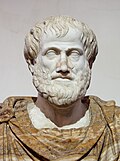 Bust of Aristotle, who discussed logical fallacies.

Ad. Transform your life with W8MD's Budget GLP-1 injections from $75


W8MD offers a medical weight loss program to lose weight in Philadelphia. Our physician-supervised medical weight loss provides:
- Weight loss injections in NYC (generic and brand names):
- Zepbound / Mounjaro, Wegovy / Ozempic, Saxenda
- Most insurances accepted or discounted self-pay rates. We will obtain insurance prior authorizations if needed.
- Generic GLP1 weight loss injections from $75 for the starting dose.
- Also offer prescription weight loss medications including Phentermine, Qsymia, Diethylpropion, Contrave etc.
NYC weight loss doctor appointmentsNYC weight loss doctor appointments
Start your NYC weight loss journey today at our NYC medical weight loss and Philadelphia medical weight loss clinics.
- Call 718-946-5500 to lose weight in NYC or for medical weight loss in Philadelphia 215-676-2334.
- Tags:NYC medical weight loss, Philadelphia lose weight Zepbound NYC, Budget GLP1 weight loss injections, Wegovy Philadelphia, Wegovy NYC, Philadelphia medical weight loss, Brookly weight loss and Wegovy NYC


|
WikiMD's Wellness Encyclopedia |
| Let Food Be Thy Medicine Medicine Thy Food - Hippocrates |
Medical Disclaimer: WikiMD is not a substitute for professional medical advice. The information on WikiMD is provided as an information resource only, may be incorrect, outdated or misleading, and is not to be used or relied on for any diagnostic or treatment purposes. Please consult your health care provider before making any healthcare decisions or for guidance about a specific medical condition. WikiMD expressly disclaims responsibility, and shall have no liability, for any damages, loss, injury, or liability whatsoever suffered as a result of your reliance on the information contained in this site. By visiting this site you agree to the foregoing terms and conditions, which may from time to time be changed or supplemented by WikiMD. If you do not agree to the foregoing terms and conditions, you should not enter or use this site. See full disclaimer.
Credits:Most images are courtesy of Wikimedia commons, and templates, categories Wikipedia, licensed under CC BY SA or similar.
Translate this page: - East Asian
中文,
日本,
한국어,
South Asian
हिन्दी,
தமிழ்,
తెలుగు,
Urdu,
ಕನ್ನಡ,
Southeast Asian
Indonesian,
Vietnamese,
Thai,
မြန်မာဘာသာ,
বাংলা
European
español,
Deutsch,
français,
Greek,
português do Brasil,
polski,
română,
русский,
Nederlands,
norsk,
svenska,
suomi,
Italian
Middle Eastern & African
عربى,
Turkish,
Persian,
Hebrew,
Afrikaans,
isiZulu,
Kiswahili,
Other
Bulgarian,
Hungarian,
Czech,
Swedish,
മലയാളം,
मराठी,
ਪੰਜਾਬੀ,
ગુજરાતી,
Portuguese,
Ukrainian
