List of hemp diseases

Hemp Diseases encompass a variety of ailments that can affect the health, yield, and quality of the hemp plant. Hemp (Cannabis sativa) is cultivated for its fiber, seeds, and oil, which are used in a multitude of products including textiles, nutritional supplements, and cosmetics. Like all crops, hemp is susceptible to certain diseases caused by fungi, bacteria, viruses, and environmental stresses. Understanding these diseases is crucial for effective management and prevention strategies.
Fungal Diseases
Fungal pathogens are among the most common causes of hemp diseases. These include:
- Powdery Mildew: Caused by the fungi Podosphaera xanthii or Golovinomyces cichoracearum, powdery mildew presents as white, powdery spots on leaves and stems. It thrives in humid conditions and can be managed by improving air circulation and applying fungicides.
- Gray Mold (Botrytis cinerea): This fungus affects many plant species and can cause significant damage to hemp, especially in cool, wet conditions. It manifests as gray, fuzzy mold on flowers, leaves, and stems. Good agricultural practices, such as proper spacing of plants and removal of infected material, are key to control.
- Root Rot: Several fungi, including Fusarium spp., Pythium spp., and Rhizoctonia solani, can cause root rot in hemp. Symptoms include wilting, yellowing, and stunted growth. Prevention is focused on ensuring well-drained soil and avoiding overwatering.
Bacterial Diseases
Bacterial diseases in hemp are less common but can cause significant damage:
- Bacterial Blight: Caused by Pseudomonas syringae pv. cannabis, this disease leads to leaf spots, wilting, and blight. Control measures include using disease-free seeds and avoiding overhead watering.
Viral Diseases
Viral infections in hemp are relatively rare but can spread rapidly if introduced:
- Hemp Streak Virus: This virus can cause yellow streaking on leaves and reduced plant vigor. Controlling insect vectors and removing infected plants are crucial to management.
Environmental Stresses
In addition to pathogens, environmental stresses can predispose hemp plants to disease or directly cause symptoms of distress:
- Drought Stress: Hemp is relatively drought-tolerant, but prolonged dry conditions can weaken the plant and make it more susceptible to disease.
- Nutrient Deficiencies: Deficiencies in essential nutrients, such as nitrogen, phosphorus, and potassium, can lead to symptoms that mimic disease, including chlorosis (yellowing of leaves) and stunted growth.
Management and Prevention
Effective disease management in hemp cultivation involves a combination of practices:
- Cultural Controls: Implementing crop rotation, using resistant cultivars, and maintaining optimal plant spacing can reduce disease incidence.
- Biological Controls: Beneficial microorganisms and natural predators can suppress pathogen populations.
- Chemical Controls: Fungicides and bactericides may be used as a last resort, following label instructions and regulations for hemp production.
Conclusion
The list of hemp diseases is extensive, and ongoing research is crucial for developing effective management strategies. By understanding the symptoms and causes of these diseases, hemp growers can take proactive steps to minimize losses and ensure the health of their crops.

This article is a agriculture stub. You can help WikiMD by expanding it!
List of hemp diseases
-
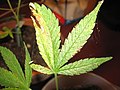 Spint op Cannabis Sativa
Ad. Transform your health with W8MD Weight Loss, Sleep & MedSpa

Tired of being overweight?
Special offer:
Budget GLP-1 weight loss medications
- Semaglutide starting from $29.99/week and up with insurance for visit of $59.99 and up per week self pay.
- Tirzepatide starting from $45.00/week and up (dose dependent) or $69.99/week and up self pay
✔ Same-week appointments, evenings & weekends
Learn more:
- GLP-1 weight loss clinic NYC
- W8MD's NYC medical weight loss
- W8MD Philadelphia GLP-1 shots
- Philadelphia GLP-1 injections
- Affordable GLP-1 shots NYC
|
WikiMD Medical Encyclopedia |
Medical Disclaimer: WikiMD is for informational purposes only and is not a substitute for professional medical advice. Content may be inaccurate or outdated and should not be used for diagnosis or treatment. Always consult your healthcare provider for medical decisions. Verify information with trusted sources such as CDC.gov and NIH.gov. By using this site, you agree that WikiMD is not liable for any outcomes related to its content. See full disclaimer.
Credits:Most images are courtesy of Wikimedia commons, and templates, categories Wikipedia, licensed under CC BY SA or similar.
Translate this page: - East Asian
中文,
日本,
한국어,
South Asian
हिन्दी,
தமிழ்,
తెలుగు,
Urdu,
ಕನ್ನಡ,
Southeast Asian
Indonesian,
Vietnamese,
Thai,
မြန်မာဘာသာ,
বাংলা
European
español,
Deutsch,
français,
Greek,
português do Brasil,
polski,
română,
русский,
Nederlands,
norsk,
svenska,
suomi,
Italian
Middle Eastern & African
عربى,
Turkish,
Persian,
Hebrew,
Afrikaans,
isiZulu,
Kiswahili,
Other
Bulgarian,
Hungarian,
Czech,
Swedish,
മലയാളം,
मराठी,
ਪੰਜਾਬੀ,
ગુજરાતી,
Portuguese,
Ukrainian
