Flexible barge
Flexible barge is a type of barge that is designed to adapt to various cargo needs and operational conditions. Unlike traditional barges, which are made of rigid materials like steel or wood, flexible barges incorporate materials and designs that allow them to change shape or configuration. This adaptability makes them particularly useful in a range of industries, including transportation, construction, and environmental management.
Design and Features
The design of a flexible barge often involves the use of innovative materials such as reinforced rubber or flexible composites that can withstand significant stress while offering the ability to bend or flex. These materials allow the barge to carry a variety of cargo types, including liquids, solids, and semi-solids, without the risk of damage that might occur with more rigid structures.
One of the key features of a flexible barge is its modular design. Many flexible barges are constructed with sections that can be easily added or removed, allowing the overall length and capacity of the barge to be adjusted according to specific needs. This modularity also facilitates easier transport and storage of the barges when not in use.
Applications
Flexible barges have a wide range of applications across different sectors:
- In the transportation industry, they are used for the efficient movement of goods along inland waterways. Their adaptability makes them ideal for transporting a diverse array of cargo, including hazardous materials, with enhanced safety.
- In construction, flexible barges can be used for transporting heavy machinery and materials to sites with limited access, such as those near waterways or in environmentally sensitive areas.
- In environmental management, these barges play a crucial role in cleanup operations, such as oil spill responses, where their flexibility allows them to navigate through challenging terrains and conditions.
Advantages
The primary advantages of flexible barges include:
- Versatility: Their ability to adapt to different types of cargo and water conditions makes them highly versatile.
- Efficiency: The modular nature allows for quick reconfiguration, reducing downtime and operational costs.
- Environmental Impact: Flexible barges can reduce the need for dredging and other activities that may harm aquatic ecosystems, thanks to their ability to navigate shallow and sensitive waterways.
Challenges
Despite their benefits, flexible barges face certain challenges:
- Durability: The materials used, while flexible, may not have the same long-term durability as traditional materials, requiring more frequent inspection and maintenance.
- Cost: The initial cost of flexible barges can be higher than traditional barges due to the specialized materials and technology involved in their construction.
Future Prospects
As industries continue to seek more efficient and environmentally friendly transportation solutions, the demand for flexible barges is likely to grow. Advances in materials science and engineering could further enhance their capabilities and reduce costs, making them an even more attractive option for a variety of applications.

-
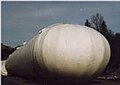 Spragg Bag air test
 -
 Nordic Water Supply waterbag
 -
 REFRESH waterbag
 -
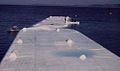 Spragg Waterbag
 -
 Spragg Bag zipper
 -
 REFRESH fabric equipped with zipper
 -
 Spragg Bag coupler
 -
 CH2M-HILL loading system
 -
 Spragg Bag with camera crew on top


Ad. Transform your health with W8MD Weight Loss, Sleep & MedSpa

Tired of being overweight?
Special offer:
Budget GLP-1 weight loss medications
- Semaglutide starting from $29.99/week and up with insurance for visit of $59.99 and up per week self pay.
- Tirzepatide starting from $45.00/week and up (dose dependent) or $69.99/week and up self pay
✔ Same-week appointments, evenings & weekends
Learn more:
- GLP-1 weight loss clinic NYC
- W8MD's NYC medical weight loss
- W8MD Philadelphia GLP-1 shots
- Philadelphia GLP-1 injections
- Affordable GLP-1 shots NYC
|
WikiMD Medical Encyclopedia |
Medical Disclaimer: WikiMD is for informational purposes only and is not a substitute for professional medical advice. Content may be inaccurate or outdated and should not be used for diagnosis or treatment. Always consult your healthcare provider for medical decisions. Verify information with trusted sources such as CDC.gov and NIH.gov. By using this site, you agree that WikiMD is not liable for any outcomes related to its content. See full disclaimer.
Credits:Most images are courtesy of Wikimedia commons, and templates, categories Wikipedia, licensed under CC BY SA or similar.
Translate this page: - East Asian
中文,
日本,
한국어,
South Asian
हिन्दी,
தமிழ்,
తెలుగు,
Urdu,
ಕನ್ನಡ,
Southeast Asian
Indonesian,
Vietnamese,
Thai,
မြန်မာဘာသာ,
বাংলা
European
español,
Deutsch,
français,
Greek,
português do Brasil,
polski,
română,
русский,
Nederlands,
norsk,
svenska,
suomi,
Italian
Middle Eastern & African
عربى,
Turkish,
Persian,
Hebrew,
Afrikaans,
isiZulu,
Kiswahili,
Other
Bulgarian,
Hungarian,
Czech,
Swedish,
മലയാളം,
मराठी,
ਪੰਜਾਬੀ,
ગુજરાતી,
Portuguese,
Ukrainian
