Discovery and development of beta-blockers
Discovery and Development of Beta-Blockers
The discovery and development of beta-blockers is a significant milestone in the field of pharmacology and medicine, offering a groundbreaking approach to treating a variety of cardiovascular conditions, including hypertension, angina pectoris, and arrhythmias. This article outlines the historical context, key discoveries, and the impact of beta-blockers on medical practice.
Historical Background
The journey towards the discovery of beta-blockers began in the early 20th century, rooted in the understanding of the autonomic nervous system and its role in controlling heart function. Researchers were particularly interested in the sympathetic nervous system and its neurotransmitters, epinephrine (adrenaline) and norepinephrine (noradrenaline), which are responsible for the "fight or flight" response that increases heart rate and blood pressure.
Discovery
The first significant breakthrough came in the 1950s with the work of Scottish pharmacologist James Black, who sought to develop a drug that could block the effects of adrenaline on the heart without affecting other organs. In 1962, Black and his team at Imperial Chemical Industries (ICI) successfully synthesized propranolol, the first clinically significant beta-blocker. Propranolol was a revolutionary drug because it was the first to effectively block the beta-adrenergic receptors in the heart, reducing heart rate, blood pressure, and oxygen demand.
Development
Following the success of propranolol, the development of beta-blockers expanded rapidly. Researchers identified two main types of beta-adrenergic receptors, beta-1 (β1) and beta-2 (β2), leading to the creation of more selective beta-blockers. This selectivity allowed for drugs that primarily targeted the heart (β1 receptors) without significant effects on the lungs (β2 receptors), such as metoprolol and atenolol, which became widely used in the treatment of hypertension and other cardiovascular diseases.
Impact on Medicine
The introduction of beta-blockers marked a paradigm shift in the treatment of cardiovascular diseases. They became a cornerstone in the management of conditions such as hypertension, angina, and heart failure, significantly reducing morbidity and mortality rates. Beta-blockers are also used in the treatment of anxiety, migraine, and glaucoma due to their ability to reduce sympathetic nervous system activity.
Current Research and Developments
Research into beta-blockers continues to evolve, with efforts focused on improving their efficacy, reducing side effects, and exploring new therapeutic applications. Novel beta-blockers with additional properties, such as vasodilation, are being developed to enhance cardiovascular protection. Furthermore, ongoing studies are investigating the potential use of beta-blockers in cancer treatment, given their ability to inhibit stress pathways that may contribute to tumor growth.
Conclusion
The discovery and development of beta-blockers represent a landmark achievement in medical science, providing essential tools for managing a wide range of diseases. Through ongoing research and innovation, the legacy of beta-blockers continues to expand, offering new hope for patients around the world.

-
 Discovery and development of beta-blockers
 -
 Discovery and development of beta-blockers
 -
 Discovery and development of beta-blockers
 -
 Discovery and development of beta-blockers
 -
 Discovery and development of beta-blockers
 -
 Discovery and development of beta-blockers
 -
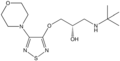 Discovery and development of beta-blockers
 -
 Discovery and development of beta-blockers
 -
 Discovery and development of beta-blockers
 -
 Discovery and development of beta-blockers
 -
 Discovery and development of beta-blockers
 -
 Discovery and development of beta-blockers


Ad. Transform your life with W8MD's
GLP-1 weight loss injections special from $29.99 with insurance
|
WikiMD Medical Encyclopedia |
Medical Disclaimer: WikiMD is for informational purposes only and is not a substitute for professional medical advice. Content may be inaccurate or outdated and should not be used for diagnosis or treatment. Always consult your healthcare provider for medical decisions. Verify information with trusted sources such as CDC.gov and NIH.gov. By using this site, you agree that WikiMD is not liable for any outcomes related to its content. See full disclaimer.
Credits:Most images are courtesy of Wikimedia commons, and templates, categories Wikipedia, licensed under CC BY SA or similar.
Translate this page: - East Asian
中文,
日本,
한국어,
South Asian
हिन्दी,
தமிழ்,
తెలుగు,
Urdu,
ಕನ್ನಡ,
Southeast Asian
Indonesian,
Vietnamese,
Thai,
မြန်မာဘာသာ,
বাংলা
European
español,
Deutsch,
français,
Greek,
português do Brasil,
polski,
română,
русский,
Nederlands,
norsk,
svenska,
suomi,
Italian
Middle Eastern & African
عربى,
Turkish,
Persian,
Hebrew,
Afrikaans,
isiZulu,
Kiswahili,
Other
Bulgarian,
Hungarian,
Czech,
Swedish,
മലയാളം,
मराठी,
ਪੰਜਾਬੀ,
ગુજરાતી,
Portuguese,
Ukrainian
