Cyttaria espinosae

Cyttaria espinosae is a species of fungus belonging to the Cyttariaceae family, which is primarily found in South America. This particular species has a unique ecological niche as it forms a symbiotic relationship with the trees of the genus Nothofagus, commonly known as southern beeches. The fungus is notable for its distinctive fruiting bodies, which are often brightly colored and can add a unique aspect to the forest landscapes where they are found.
Description
Cyttaria espinosae produces globular to slightly irregular fruiting bodies that can range in color from bright orange to yellow. These structures, which are technically known as ascocarps, emerge directly from the bark of the host trees. The fruiting bodies are soft and gelatinous when young, becoming more woody and brittle as they age. Each ascocarp contains numerous asci, which in turn house the spores that are responsible for the reproduction of the fungus.
Habitat and Distribution
This fungus is endemic to the temperate forests of South America, with a distribution that spans from the southern regions of Chile to parts of Argentina. Cyttaria espinosae has a specific association with trees of the genus Nothofagus, relying on these trees not only for support but also for nutrients, as the fungus penetrates the tree's bark to access its sap.
Ecological Role
The relationship between Cyttaria espinosae and its host trees is complex. While the fungus does penetrate the bark and consume sap, it is not typically considered a harmful parasite. Instead, this interaction is more often viewed as a form of commensalism, with the fungus benefiting from the tree without causing significant damage. Furthermore, the fruiting bodies of Cyttaria espinosae serve as a food source for various forest animals, highlighting its role in the broader ecosystem.
Culinary Uses
In some regions, the fruiting bodies of Cyttaria espinosae are harvested and consumed by local populations. They can be eaten raw or cooked, often being incorporated into traditional dishes. The unique texture and flavor of the fungus make it a distinctive component of the local cuisine.
Conservation
As of now, there are no specific conservation efforts directed towards Cyttaria espinosae. However, the preservation of its habitat, the temperate forests of South America, is crucial for the survival of this species. Deforestation and climate change pose potential threats to these ecosystems, which could, in turn, affect the populations of Cyttaria espinosae.

-
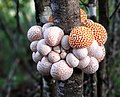 Cyttaria espinosae
Ad. Transform your life with W8MD's
GLP-1 weight loss injections special from $29.99 with insurance
|
WikiMD Medical Encyclopedia |
Medical Disclaimer: WikiMD is for informational purposes only and is not a substitute for professional medical advice. Content may be inaccurate or outdated and should not be used for diagnosis or treatment. Always consult your healthcare provider for medical decisions. Verify information with trusted sources such as CDC.gov and NIH.gov. By using this site, you agree that WikiMD is not liable for any outcomes related to its content. See full disclaimer.
Credits:Most images are courtesy of Wikimedia commons, and templates, categories Wikipedia, licensed under CC BY SA or similar.
Translate this page: - East Asian
中文,
日本,
한국어,
South Asian
हिन्दी,
தமிழ்,
తెలుగు,
Urdu,
ಕನ್ನಡ,
Southeast Asian
Indonesian,
Vietnamese,
Thai,
မြန်မာဘာသာ,
বাংলা
European
español,
Deutsch,
français,
Greek,
português do Brasil,
polski,
română,
русский,
Nederlands,
norsk,
svenska,
suomi,
Italian
Middle Eastern & African
عربى,
Turkish,
Persian,
Hebrew,
Afrikaans,
isiZulu,
Kiswahili,
Other
Bulgarian,
Hungarian,
Czech,
Swedish,
മലയാളം,
मराठी,
ਪੰਜਾਬੀ,
ગુજરાતી,
Portuguese,
Ukrainian
