Bone marrow adipose tissue
Bone Marrow Adipose Tissue (BMAT) is a unique and dynamic component of the bone marrow microenvironment with significant roles in energy storage, hematopoiesis regulation, and skeletal metabolism. Unlike white or brown adipose tissues, which have been extensively studied, BMAT has only recently gained attention as a distinct adipose depot with critical physiological and pathological functions.
Overview
BMAT constitutes a significant portion of the bone marrow volume, varying with age, nutritional status, and bone health. It is primarily composed of adipocytes that reside within the marrow cavity, alongside hematopoietic cells, stromal cells, and bone-resorbing and bone-forming cells (osteoclasts and osteoblasts, respectively). The unique microenvironment of BMAT, characterized by low oxygen tension and close proximity to bone and hematopoietic cells, suggests specialized functions that are distinct from other adipose tissues.
Function
The precise functions of BMAT are still under investigation, but it is known to play roles in:
- Energy Metabolism: BMAT serves as an energy reservoir, storing triglycerides and releasing fatty acids during energy demand.
- Bone Remodeling: BMAT adipocytes secrete factors that influence the activity of osteoblasts and osteoclasts, thereby participating in bone remodeling and maintenance.
- Hematopoiesis: BMAT provides a supportive microenvironment for hematopoietic stem cells, affecting their maintenance and differentiation.
- Endocrine Function: BMAT secretes adipokines and cytokines, acting as an endocrine organ that communicates with distant tissues and organs.
Clinical Significance
Alterations in BMAT are associated with various conditions, including:
- Osteoporosis: Increased BMAT has been observed in osteoporotic patients, suggesting a negative relationship between bone density and BMAT volume.
- Anorexia Nervosa: Patients with anorexia nervosa exhibit increased BMAT, which may contribute to bone loss in this population.
- Obesity: Paradoxically, obesity is associated with lower BMAT volume, which may reflect altered energy distribution and metabolism.
- Aging: Aging is accompanied by an increase in BMAT, potentially contributing to age-related bone loss and decreased hematopoietic capacity.
Research Directions
Current research is focused on understanding the regulatory mechanisms governing BMAT formation and function, the interaction between BMAT and bone/hematopoietic cells, and the potential therapeutic targeting of BMAT for treating bone and metabolic diseases.
See Also

-
 Marrow Adipocytes derived from mesenchymal stem cell (MSC) differentiation
 -
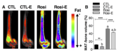 Demonstration of Method: Osmium-μCT with Advanced Image Processing
 -
 MRI method
 -
 Marrow Adipose Tissue (typical quantity young mouse)
 -
 Increased Marrow Adipose Tissue
 -
 Bone marrow adipose tissue
_.jpg)

Ad. Transform your life with W8MD's
GLP-1 weight loss injections special from $29.99 with insurance
|
WikiMD Medical Encyclopedia |
Medical Disclaimer: WikiMD is for informational purposes only and is not a substitute for professional medical advice. Content may be inaccurate or outdated and should not be used for diagnosis or treatment. Always consult your healthcare provider for medical decisions. Verify information with trusted sources such as CDC.gov and NIH.gov. By using this site, you agree that WikiMD is not liable for any outcomes related to its content. See full disclaimer.
Credits:Most images are courtesy of Wikimedia commons, and templates, categories Wikipedia, licensed under CC BY SA or similar.
Translate this page: - East Asian
中文,
日本,
한국어,
South Asian
हिन्दी,
தமிழ்,
తెలుగు,
Urdu,
ಕನ್ನಡ,
Southeast Asian
Indonesian,
Vietnamese,
Thai,
မြန်မာဘာသာ,
বাংলা
European
español,
Deutsch,
français,
Greek,
português do Brasil,
polski,
română,
русский,
Nederlands,
norsk,
svenska,
suomi,
Italian
Middle Eastern & African
عربى,
Turkish,
Persian,
Hebrew,
Afrikaans,
isiZulu,
Kiswahili,
Other
Bulgarian,
Hungarian,
Czech,
Swedish,
മലയാളം,
मराठी,
ਪੰਜਾਬੀ,
ગુજરાતી,
Portuguese,
Ukrainian
