Motor vehicle
Motor Vehicle
A motor vehicle, also known as a motorized vehicle, is a self-propelled vehicle primarily used for transportation of people or goods on ground surfaces and not on rails, such as trains or trams. The term usually refers to a vehicle with four wheels that operates on roads, ranging from motorcycles to buses and trucks. The primary function of motor vehicles is to provide efficient and convenient transportation of individuals and goods over short and long distances.
History
The history of motor vehicles dates back to the late 19th century when inventors in Europe and America began experimenting with motor powered vehicles. The first successful gasoline-powered vehicle was created by Karl Benz in 1885, in Mannheim, Germany. This invention marked the beginning of the modern automotive industry. Early motor vehicles were luxury items, but as manufacturing techniques improved, particularly with the introduction of the assembly line by Henry Ford, vehicles became more accessible to the general public.
Types of Motor Vehicles
Motor vehicles can be classified into several categories based on their use, size, and fuel type. Some of the common types include:
- Passenger Vehicles: These are designed primarily for the transportation of passengers. Examples include cars, SUVs, and motorcycles.
- Commercial Vehicles: These are designed for the transportation of goods and include vehicles like trucks, lorries, and vans.
- Special Purpose Vehicles: These are designed for specific tasks and include vehicles like ambulances, fire trucks, and police cars.
Components
A motor vehicle is composed of various components, each serving a specific function. Key components include:
- Engine: The engine is the heart of the vehicle, converting fuel into mechanical power.
- Transmission: The transmission system delivers power from the engine to the wheels, allowing the vehicle to move.
- Chassis: The chassis supports the vehicle's body and components.
- Body: The body is the outer shell of the vehicle, providing aerodynamics and protection to the occupants.
Safety
Motor vehicle safety is a critical concern, leading to the development of various safety features and regulations. These include seat belts, airbags, and advanced driver-assistance systems (ADAS) like automatic braking and lane-keeping assist. Regulatory bodies, such as the National Highway Traffic Safety Administration (NHTSA) in the United States, establish safety standards that vehicles must meet.
Environmental Impact
Motor vehicles are a significant source of air pollution and greenhouse gas emissions, contributing to climate change and health issues. This has led to the development of more environmentally friendly alternatives, such as electric vehicles (EVs) and hybrid vehicles, which produce fewer emissions than traditional gasoline or diesel-powered vehicles.
Future Trends
The future of motor vehicles is focused on sustainability, safety, and automation. Advances in technology are leading to the development of autonomous vehicles, which can operate without human intervention, and improvements in battery technology are making electric vehicles more viable and accessible.
See Also

Motor vehicle
-
 I-80 Eastshore Freeway
 -
 Yangzhou WenchangLu electric bicycles
 -
 Triumph Bonneville T100 Black
 -
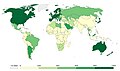 Vehicles Per 1000
 -
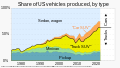 1975 US vehicle production share by vehicle type
 -
 Global plug-in car sales since 2011
 -
 Chang'an avenue in Beijing
 -
 Norway PEV market share since 2011
 -
 Historical trend ethanol and flex vehicles in Brazil 1979 2008


Ad. Transform your health with W8MD Weight Loss, Sleep & MedSpa

Tired of being overweight?
Special offer:
Budget GLP-1 weight loss medications
- Semaglutide starting from $29.99/week and up with insurance for visit of $59.99 and up per week self pay.
- Tirzepatide starting from $45.00/week and up (dose dependent) or $69.99/week and up self pay
✔ Same-week appointments, evenings & weekends
Learn more:
- GLP-1 weight loss clinic NYC
- W8MD's NYC medical weight loss
- W8MD Philadelphia GLP-1 shots
- Philadelphia GLP-1 injections
- Affordable GLP-1 shots NYC
|
WikiMD Medical Encyclopedia |
Medical Disclaimer: WikiMD is for informational purposes only and is not a substitute for professional medical advice. Content may be inaccurate or outdated and should not be used for diagnosis or treatment. Always consult your healthcare provider for medical decisions. Verify information with trusted sources such as CDC.gov and NIH.gov. By using this site, you agree that WikiMD is not liable for any outcomes related to its content. See full disclaimer.
Credits:Most images are courtesy of Wikimedia commons, and templates, categories Wikipedia, licensed under CC BY SA or similar.
Translate this page: - East Asian
中文,
日本,
한국어,
South Asian
हिन्दी,
தமிழ்,
తెలుగు,
Urdu,
ಕನ್ನಡ,
Southeast Asian
Indonesian,
Vietnamese,
Thai,
မြန်မာဘာသာ,
বাংলা
European
español,
Deutsch,
français,
Greek,
português do Brasil,
polski,
română,
русский,
Nederlands,
norsk,
svenska,
suomi,
Italian
Middle Eastern & African
عربى,
Turkish,
Persian,
Hebrew,
Afrikaans,
isiZulu,
Kiswahili,
Other
Bulgarian,
Hungarian,
Czech,
Swedish,
മലയാളം,
मराठी,
ਪੰਜਾਬੀ,
ગુજરાતી,
Portuguese,
Ukrainian
