Stegosauria
Stegosauria is a group of herbivorous dinosaurs that lived during the Jurassic period, though some evidence suggests their presence extended into the early Cretaceous period. Characterized by their distinctive back plates and tail spikes, stegosaurs are among the most recognizable dinosaurs. The most famous member of this group is Stegosaurus, although several other genera have been identified.
Description
Stegosaurs were large, heavily built dinosaurs. They had short forelimbs in comparison to their hind limbs, leading to a distinctly arched back. Their most iconic features were the double rows of large, bony plates along their backs and the four to ten spikes on their tails, known as thagomizers, which were likely used for defense against predators. The function of the back plates has been debated, with theories suggesting they were used for thermoregulation, display, or defense.
Classification
Stegosauria falls within the clade Thyreophora, which also includes the more heavily armored Ankylosauria. Within Stegosauria, there are two main families: the Stegosauridae, which includes genera such as Stegosaurus and Kentrosaurus, and the Huayangosauridae, which is less well-known and primarily includes early, more primitive stegosaurs like Huayangosaurus.
Paleobiology
The paleobiology of stegosaurs has been a subject of much interest and research. Their teeth and jaw structure suggest that they were low-browsing herbivores, feeding on ferns and other low-growing vegetation. The structure of their nasal cavities indicates that they might have had complex respiratory systems, possibly to help regulate their body temperature.
Distribution and Habitat
Stegosaurs were primarily found in what is now North America, Europe, Africa, and Asia. Their fossils suggest they inhabited a range of environments, from semi-arid plains to subtropical forests. The wide distribution of stegosaur fossils indicates they were successful and adaptable dinosaurs during their time.
Extinction
The exact reasons for the extinction of the stegosaurs are not fully understood, but it is believed to have been part of the larger pattern of decline in dinosaur diversity during the late Jurassic and early Cretaceous periods. Changes in climate and vegetation, along with competition from other herbivorous dinosaurs, may have contributed to their decline.
In Popular Culture
Stegosaurs have captured the public's imagination and are frequently featured in dinosaur-related media, from documentaries to movies like Jurassic Park. Their distinctive appearance makes them one of the most easily recognized dinosaur groups.
See Also
References
<references/>

This article is a paleontology stub. You can help WikiMD by expanding it!
-
 Stegosauria
 -
 Stegosauria
 -
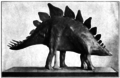 Stegosauria
 -
 Stegosauria
 -
 Stegosauria
 -
 Stegosauria
 -
 Stegosauria
 -
 Stegosauria
 -
 Stegosauria
 -
 Stegosauria
 -
 Stegosauria
 -
 Stegosauria


Ad. Transform your life with W8MD's
GLP-1 weight loss injections special from $29.99 with insurance
|
WikiMD Medical Encyclopedia |
Medical Disclaimer: WikiMD is for informational purposes only and is not a substitute for professional medical advice. Content may be inaccurate or outdated and should not be used for diagnosis or treatment. Always consult your healthcare provider for medical decisions. Verify information with trusted sources such as CDC.gov and NIH.gov. By using this site, you agree that WikiMD is not liable for any outcomes related to its content. See full disclaimer.
Credits:Most images are courtesy of Wikimedia commons, and templates, categories Wikipedia, licensed under CC BY SA or similar.
Translate this page: - East Asian
中文,
日本,
한국어,
South Asian
हिन्दी,
தமிழ்,
తెలుగు,
Urdu,
ಕನ್ನಡ,
Southeast Asian
Indonesian,
Vietnamese,
Thai,
မြန်မာဘာသာ,
বাংলা
European
español,
Deutsch,
français,
Greek,
português do Brasil,
polski,
română,
русский,
Nederlands,
norsk,
svenska,
suomi,
Italian
Middle Eastern & African
عربى,
Turkish,
Persian,
Hebrew,
Afrikaans,
isiZulu,
Kiswahili,
Other
Bulgarian,
Hungarian,
Czech,
Swedish,
മലയാളം,
मराठी,
ਪੰਜਾਬੀ,
ગુજરાતી,
Portuguese,
Ukrainian
