Cultured meat
Cultured meat, also known as lab-grown meat, cell-based meat, or in-vitro meat, is a form of agricultural product that is produced by cultivating animal cells in a lab rather than by slaughtering animals. It represents a novel approach to meat production that could potentially address some of the ethical, environmental, and health-related issues associated with traditional animal farming. This article provides an overview of cultured meat, including its production process, potential benefits, challenges, and current status in the market.
Production Process
The production of cultured meat begins with the collection of cell samples from animals. These cells, often stem cells, are then nourished and allowed to proliferate in a controlled environment, typically a bioreactor. The medium in which these cells grow is rich in nutrients, including amino acids, fatty acids, vitamins, and minerals, necessary for cell growth and division. Over time, the cells differentiate and form muscle tissue, which is the primary component of meat. This process can be tailored to produce various types of meat, including beef, pork, poultry, and seafood.
Benefits
Cultured meat offers several potential benefits over traditional meat production methods:
- Environmental Sustainability: Cultured meat could significantly reduce the environmental footprint of meat production, requiring less land, water, and energy, and producing fewer greenhouse gases.
- Animal Welfare: By eliminating the need to raise and slaughter animals, cultured meat could address ethical concerns related to animal welfare in the food industry.
- Health: Lab-grown meat can be engineered to have a desired nutritional profile, potentially reducing fats or incorporating beneficial nutrients, thus offering healthier options to consumers.
- Food Security: Cultured meat could contribute to food security by providing a stable, efficient, and scalable method of producing meat, especially in regions with limited agricultural land.
Challenges
Despite its potential, cultured meat faces several challenges:
- Cost: High production costs are a significant barrier to commercial viability. Ongoing research aims to reduce these costs by improving the efficiency of the cell culture process.
- Scale: Scaling up production to meet global demand is a technical challenge that requires further innovation in bioreactor design and cell culture methods.
- Public Acceptance: Consumer acceptance of cultured meat is uncertain, with concerns about safety, taste, and the "naturalness" of lab-grown products.
- Regulation: The regulatory framework for cultured meat is still being developed, with questions about how these products should be labeled, safety standards, and environmental impact assessments.
Current Status
As of the last update, several companies around the world are actively developing cultured meat products, with some having conducted taste tests and small-scale product launches. Regulatory approval is a key milestone for these companies, with Singapore being the first country to approve the sale of cultured meat in 2020. Other countries are evaluating the technology and developing regulatory frameworks to ensure the safety and labeling of these products.
Conclusion
Cultured meat represents a promising alternative to traditional meat production, with the potential to address some of the most pressing issues related to environment, health, and animal welfare. However, significant challenges remain in terms of cost, scale, consumer acceptance, and regulation. Continued research and development, along with public and private investment, will be crucial to realizing the potential of cultured meat.

Cultured_meat
-
 Cultivated hamburger, 2013
 -
 Good Meat Cultivated Chicken pasta dish
 -
 The Meat Revolution Mark Post
 -
 Lab Grown Meat explained by New Harvest
 -
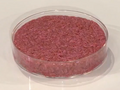 First cultured hamburger unfried
 -
 First cultured hamburger fried
 -
 Hanni Rützler tastes world's first cultured hamburger
 -
 Cultivated sausages, Ivy Farm, 2023
 -
 Cultivated pork belly, 2020
 -
 Cultivated fish maw, 2019
 -
 Cultivated salmon, 2020
 -
 CultMeatProdEN

.jpg)


Ad. Transform your life with W8MD's
GLP-1 weight loss injections special from $29.99 with insurance
|
WikiMD Medical Encyclopedia |
Medical Disclaimer: WikiMD is for informational purposes only and is not a substitute for professional medical advice. Content may be inaccurate or outdated and should not be used for diagnosis or treatment. Always consult your healthcare provider for medical decisions. Verify information with trusted sources such as CDC.gov and NIH.gov. By using this site, you agree that WikiMD is not liable for any outcomes related to its content. See full disclaimer.
Credits:Most images are courtesy of Wikimedia commons, and templates, categories Wikipedia, licensed under CC BY SA or similar.
Translate this page: - East Asian
中文,
日本,
한국어,
South Asian
हिन्दी,
தமிழ்,
తెలుగు,
Urdu,
ಕನ್ನಡ,
Southeast Asian
Indonesian,
Vietnamese,
Thai,
မြန်မာဘာသာ,
বাংলা
European
español,
Deutsch,
français,
Greek,
português do Brasil,
polski,
română,
русский,
Nederlands,
norsk,
svenska,
suomi,
Italian
Middle Eastern & African
عربى,
Turkish,
Persian,
Hebrew,
Afrikaans,
isiZulu,
Kiswahili,
Other
Bulgarian,
Hungarian,
Czech,
Swedish,
മലയാളം,
मराठी,
ਪੰਜਾਬੀ,
ગુજરાતી,
Portuguese,
Ukrainian
