Puccinia thaliae
Puccinia thaliae is a species of fungus belonging to the genus Puccinia, which is known for comprising a large number of rust fungi. Puccinia thaliae specifically targets plants within the genus Thalia, hence its name. Rust fungi like Puccinia thaliae are obligate parasites, meaning they require a living host to complete their life cycle. They are of significant interest in the field of plant pathology due to their impact on agriculture and natural ecosystems.
Description
Puccinia thaliae produces characteristic rust symptoms on the leaves, stems, and sometimes flowers of the Thalia plants. These symptoms include the appearance of pustules that release orange or brown urediniospores. The life cycle of Puccinia thaliae can include up to five different types of spores, typical of the complex life cycles seen in rust fungi. These spores include spermatia, aeciospores, urediniospores, teliospores, and basidiospores, each playing a role in the spread and survival of the fungus.
Life Cycle
The life cycle of Puccinia thaliae is complex and can involve two different host plants, although it is primarily known to infect Thalia species. The cycle begins with the germination of basidiospores on the surface of a host plant, leading to the production of spermatia and aeciospores. These early stage spores facilitate genetic recombination and spread to new hosts. Urediniospores are produced next and are responsible for the rapid spread of the fungus during the growing season. As the season ends, the fungus produces teliospores, which are thick-walled spores that serve as the overwintering stage. In the spring, teliospores germinate to produce basidiospores, completing the cycle.
Ecology
Puccinia thaliae plays a role in the ecology of wetland and aquatic environments where Thalia plants are native. By infecting these plants, the fungus can influence plant health, biodiversity, and the distribution of plant populations. Understanding the ecology of Puccinia thaliae is important for managing natural wetland ecosystems and for the cultivation of Thalia species in ornamental horticulture.
Management
Management of Puccinia thaliae involves cultural practices, chemical treatments, and the use of resistant plant varieties. Reducing humidity and increasing air circulation around the plants can help minimize the risk of infection. Fungicides may be applied as a preventive measure or to control an existing infection, although their use is more common in agricultural or horticultural settings than in natural ecosystems. Breeding and selecting Thalia varieties resistant to Puccinia thaliae is a long-term strategy for managing this pathogen.
Research
Research on Puccinia thaliae focuses on understanding its life cycle, host specificity, and resistance mechanisms in Thalia plants. This research is crucial for developing effective management strategies and for understanding the ecological impact of rust fungi on wetland ecosystems.

-
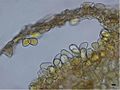 Puccinia thaliae uredinium
 -
 Puccinia thaliae host symptoms


Ad. Transform your health with W8MD Weight Loss, Sleep & MedSpa

Tired of being overweight?
Special offer:
Budget GLP-1 weight loss medications
- Semaglutide starting from $29.99/week and up with insurance for visit of $59.99 and up per week self pay.
- Tirzepatide starting from $45.00/week and up (dose dependent) or $69.99/week and up self pay
✔ Same-week appointments, evenings & weekends
Learn more:
- GLP-1 weight loss clinic NYC
- W8MD's NYC medical weight loss
- W8MD Philadelphia GLP-1 shots
- Philadelphia GLP-1 injections
- Affordable GLP-1 shots NYC
|
WikiMD Medical Encyclopedia |
Medical Disclaimer: WikiMD is for informational purposes only and is not a substitute for professional medical advice. Content may be inaccurate or outdated and should not be used for diagnosis or treatment. Always consult your healthcare provider for medical decisions. Verify information with trusted sources such as CDC.gov and NIH.gov. By using this site, you agree that WikiMD is not liable for any outcomes related to its content. See full disclaimer.
Credits:Most images are courtesy of Wikimedia commons, and templates, categories Wikipedia, licensed under CC BY SA or similar.
Translate this page: - East Asian
中文,
日本,
한국어,
South Asian
हिन्दी,
தமிழ்,
తెలుగు,
Urdu,
ಕನ್ನಡ,
Southeast Asian
Indonesian,
Vietnamese,
Thai,
မြန်မာဘာသာ,
বাংলা
European
español,
Deutsch,
français,
Greek,
português do Brasil,
polski,
română,
русский,
Nederlands,
norsk,
svenska,
suomi,
Italian
Middle Eastern & African
عربى,
Turkish,
Persian,
Hebrew,
Afrikaans,
isiZulu,
Kiswahili,
Other
Bulgarian,
Hungarian,
Czech,
Swedish,
മലയാളം,
मराठी,
ਪੰਜਾਬੀ,
ગુજરાતી,
Portuguese,
Ukrainian
