Winter swimming
Winter swimming refers to the activity of swimming during the winter season, typically in outdoor locations such as open water, lakes, or rivers, where the water temperature is significantly below that of the human body. This practice is popular in various parts of the world and is known for its physical and mental health benefits, although it also poses certain risks.
Health Benefits
Winter swimming is believed to offer several health benefits. It is associated with improved circulation, enhanced immune system response, and increased production of endorphins, which can lead to a positive mood. Regular winter swimmers often report a reduction in stress levels and an improvement in their ability to cope with stress. Additionally, the practice is said to improve sleep quality and increase fat burning, which can contribute to weight management.
Risks
Despite its benefits, winter swimming is not without risks. The shock of cold water can cause hypothermia, a potentially dangerous drop in body temperature. It can also lead to an increase in blood pressure and heart rate, posing risks for individuals with underlying heart conditions. Furthermore, the sudden immersion in cold water can cause an involuntary gasp reflex, increasing the risk of drowning, especially for inexperienced swimmers or those without proper supervision.
Safety Measures
To minimize risks, several safety measures are recommended for winter swimming:
- Always swim with a partner or under supervision.
- Gradually acclimate the body to cold water to reduce shock.
- Wear appropriate gear, such as wetsuits or thermal swim caps, to retain body heat.
- Limit the time spent in cold water, especially during initial sessions.
- Have warm clothes and a hot drink ready immediately after swimming to aid in rewarming.
Cultural Significance
Winter swimming has cultural significance in many countries. In Finland, for example, it is a traditional activity often combined with sauna use. The Polar Bear Clubs in the United States and Canada organize regular winter swims and events. In China, the Harbin International Ice and Snow Sculpture Festival features a winter swimming competition as part of its celebrations.
Competitions and Events
There are numerous winter swimming competitions and events held around the world. These events often celebrate the courage and endurance of the participants and can range from short swims to longer distances. The International Winter Swimming Association (IWSA) is one of the organizations that host such events, promoting the sport and ensuring safety standards are met.
Conclusion
Winter swimming is a challenging yet rewarding activity that offers various health benefits. However, it is essential to approach it with caution, respect the body's limits, and adhere to safety guidelines to enjoy it safely.

-
 Winter swimming
 -
 Winter swimming
 -
 Winter swimming
 -
 Winter swimming
 -
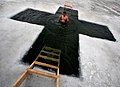 Winter swimming
 -
Winter swimming
-
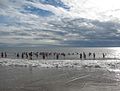 Winter swimming
 -
 Winter swimming


.jpg)


Ad. Transform your health with W8MD Weight Loss, Sleep & MedSpa

Tired of being overweight?
Special offer:
Budget GLP-1 weight loss medications
- Semaglutide starting from $29.99/week and up with insurance for visit of $59.99 and up per week self pay.
- Tirzepatide starting from $45.00/week and up (dose dependent) or $69.99/week and up self pay
✔ Same-week appointments, evenings & weekends
Learn more:
- GLP-1 weight loss clinic NYC
- W8MD's NYC medical weight loss
- W8MD Philadelphia GLP-1 shots
- Philadelphia GLP-1 injections
- Affordable GLP-1 shots NYC
|
WikiMD Medical Encyclopedia |
Medical Disclaimer: WikiMD is for informational purposes only and is not a substitute for professional medical advice. Content may be inaccurate or outdated and should not be used for diagnosis or treatment. Always consult your healthcare provider for medical decisions. Verify information with trusted sources such as CDC.gov and NIH.gov. By using this site, you agree that WikiMD is not liable for any outcomes related to its content. See full disclaimer.
Credits:Most images are courtesy of Wikimedia commons, and templates, categories Wikipedia, licensed under CC BY SA or similar.
Translate this page: - East Asian
中文,
日本,
한국어,
South Asian
हिन्दी,
தமிழ்,
తెలుగు,
Urdu,
ಕನ್ನಡ,
Southeast Asian
Indonesian,
Vietnamese,
Thai,
မြန်မာဘာသာ,
বাংলা
European
español,
Deutsch,
français,
Greek,
português do Brasil,
polski,
română,
русский,
Nederlands,
norsk,
svenska,
suomi,
Italian
Middle Eastern & African
عربى,
Turkish,
Persian,
Hebrew,
Afrikaans,
isiZulu,
Kiswahili,
Other
Bulgarian,
Hungarian,
Czech,
Swedish,
മലയാളം,
मराठी,
ਪੰਜਾਬੀ,
ગુજરાતી,
Portuguese,
Ukrainian

