Molluscicide
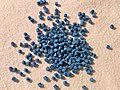
Molluscicide refers to a category of pesticides used specifically for killing or repelling mollusks, which include snails and slugs. These organisms can be pests in agricultural settings, gardens, and aquatic environments, where they may damage crops, ornamental plants, or disrupt aquatic ecosystems. Molluscicides are formulated in various forms, including pellets, granules, and liquid sprays, and are applied to soil, plants, or water, depending on the target species and habitat.
Types of Molluscicides
Molluscicides can be classified into several types based on their active ingredients and mode of action. Common types include:
- Metaldehyde: A popular molluscicide for controlling slugs and snails in gardens and agricultural fields. It disrupts the mollusk's ability to produce mucus, leading to dehydration and death.
- Iron Phosphate: Considered a more environmentally friendly option, iron phosphate-based molluscicides are toxic to mollusks but have low toxicity to other animals and humans. They cause feeding cessation, leading to the mollusk's death.
- Niclosamide: Primarily used in aquatic environments, niclosamide is effective against snails that serve as intermediate hosts for parasites like the Schistosoma species, which cause schistosomiasis in humans.
Application and Environmental Considerations
The application of molluscicides requires careful consideration of timing, dosage, and environmental impact. Overuse or improper application can lead to the development of resistance among mollusk populations, as well as potential harm to non-target organisms, including beneficial insects, pets, and wildlife. In aquatic settings, the use of molluscicides must be managed to prevent contamination of water bodies and harm to aquatic life.
Regulation and Safety
Molluscicides are regulated by governmental agencies to ensure their safe and effective use. In the United States, the Environmental Protection Agency (EPA) is responsible for the registration and regulation of pesticides, including molluscicides. Users are advised to follow label instructions carefully and to use personal protective equipment (PPE) when handling and applying these chemicals.
Research and Development
Ongoing research in the field of molluscicide development focuses on finding more effective, sustainable, and environmentally friendly options. This includes the exploration of natural compounds, biological control agents, and genetic approaches to mollusk pest management.
Conclusion
Molluscicides play a crucial role in managing mollusk populations to protect agricultural crops, gardens, and aquatic ecosystems. However, their use must be balanced with considerations for environmental health, non-target species protection, and the development of sustainable pest management practices.

This pesticide-related article is a stub. You can help WikiMD by expanding it.
-
 Limacide

Ad. Transform your health with W8MD Weight Loss, Sleep & MedSpa

Tired of being overweight?
Special offer:
Budget GLP-1 weight loss medications
- Semaglutide starting from $29.99/week and up with insurance for visit of $59.99 and up per week self pay.
- Tirzepatide starting from $45.00/week and up (dose dependent) or $69.99/week and up self pay
✔ Same-week appointments, evenings & weekends
Learn more:
- GLP-1 weight loss clinic NYC
- W8MD's NYC medical weight loss
- W8MD Philadelphia GLP-1 shots
- Philadelphia GLP-1 injections
- Affordable GLP-1 shots NYC
|
WikiMD Medical Encyclopedia |
Medical Disclaimer: WikiMD is for informational purposes only and is not a substitute for professional medical advice. Content may be inaccurate or outdated and should not be used for diagnosis or treatment. Always consult your healthcare provider for medical decisions. Verify information with trusted sources such as CDC.gov and NIH.gov. By using this site, you agree that WikiMD is not liable for any outcomes related to its content. See full disclaimer.
Credits:Most images are courtesy of Wikimedia commons, and templates, categories Wikipedia, licensed under CC BY SA or similar.
Translate this page: - East Asian
中文,
日本,
한국어,
South Asian
हिन्दी,
தமிழ்,
తెలుగు,
Urdu,
ಕನ್ನಡ,
Southeast Asian
Indonesian,
Vietnamese,
Thai,
မြန်မာဘာသာ,
বাংলা
European
español,
Deutsch,
français,
Greek,
português do Brasil,
polski,
română,
русский,
Nederlands,
norsk,
svenska,
suomi,
Italian
Middle Eastern & African
عربى,
Turkish,
Persian,
Hebrew,
Afrikaans,
isiZulu,
Kiswahili,
Other
Bulgarian,
Hungarian,
Czech,
Swedish,
മലയാളം,
मराठी,
ਪੰਜਾਬੀ,
ગુજરાતી,
Portuguese,
Ukrainian
