Cervical spinal nerve 5
Cervical spinal nerve 5 (C5) is one of the eight cervical spinal nerves located within the spine in the neck. It emerges from the spinal cord at the cervical vertebrae level, specifically between the C4 and C5 vertebrae. The cervical spinal nerves are part of the peripheral nervous system and play a crucial role in transmitting signals between the spinal cord and the rest of the body.
Anatomy
The C5 nerve root exits the spinal column through the intervertebral foramen, a small opening between the vertebrae. It is responsible for providing motor innervation to various muscles and sensory innervation to specific skin areas. The muscles innervated by the C5 nerve include the deltoid, infraspinatus, and biceps brachii, which are essential for shoulder and elbow movements. Sensory fibers of the C5 nerve supply the skin over the deltoid area, contributing to the sensation in this region.
Function
The primary function of the C5 nerve is to control specific muscle movements and convey sensory information from the skin to the brain. It plays a vital role in shoulder abduction, elbow flexion, and arm rotation. Additionally, the C5 nerve contributes to the phrenic nerve, which is crucial for breathing as it innervates the diaphragm.
Clinical Significance
Injury or compression of the C5 nerve can lead to neurological symptoms, including pain, weakness, or numbness in the areas innervated by the nerve. Conditions such as cervical spondylosis, herniated disc, and spinal stenosis can affect the C5 nerve, leading to clinical manifestations known as C5 syndrome. Symptoms may include weakness in the deltoid and biceps muscles, reduced reflexes, and sensory deficits in the shoulder area.
Diagnosis and Treatment
Diagnosis of C5 nerve dysfunction involves a combination of clinical examination, patient history, and imaging studies such as MRI or CT scans to visualize the cervical spine's condition. Electromyography (EMG) and nerve conduction studies can also be used to assess the nerve's electrical activity and confirm the diagnosis.
Treatment options vary depending on the underlying cause of the C5 nerve impairment. Conservative treatments include physical therapy, medications for pain and inflammation, and cervical traction. In severe cases, surgical interventions such as decompression surgery or spinal fusion may be necessary to relieve pressure on the nerve.
See Also
-
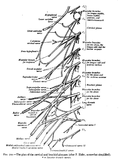 Cervical spinal nerve 5
 -
 Cervical spinal nerve 5
 -
 Cervical spinal nerve 5


Ad. Transform your life with W8MD's
GLP-1 weight loss injections special from $29.99 with insurance
|
WikiMD Medical Encyclopedia |
Medical Disclaimer: WikiMD is for informational purposes only and is not a substitute for professional medical advice. Content may be inaccurate or outdated and should not be used for diagnosis or treatment. Always consult your healthcare provider for medical decisions. Verify information with trusted sources such as CDC.gov and NIH.gov. By using this site, you agree that WikiMD is not liable for any outcomes related to its content. See full disclaimer.
Credits:Most images are courtesy of Wikimedia commons, and templates, categories Wikipedia, licensed under CC BY SA or similar.
Translate this page: - East Asian
中文,
日本,
한국어,
South Asian
हिन्दी,
தமிழ்,
తెలుగు,
Urdu,
ಕನ್ನಡ,
Southeast Asian
Indonesian,
Vietnamese,
Thai,
မြန်မာဘာသာ,
বাংলা
European
español,
Deutsch,
français,
Greek,
português do Brasil,
polski,
română,
русский,
Nederlands,
norsk,
svenska,
suomi,
Italian
Middle Eastern & African
عربى,
Turkish,
Persian,
Hebrew,
Afrikaans,
isiZulu,
Kiswahili,
Other
Bulgarian,
Hungarian,
Czech,
Swedish,
മലയാളം,
मराठी,
ਪੰਜਾਬੀ,
ગુજરાતી,
Portuguese,
Ukrainian
