Pulse generator
Pulse Generator
A pulse generator is an electronic device that generates electrical signals in the form of a pulse. These devices are used in a variety of applications, including digital electronics, communications, and medical devices.
Overview
Pulse generators are designed to produce a series of electrical pulses, which are typically characterized by a rapid rise and fall time. The pulses can be of various shapes, such as square, rectangular, or triangular, and can have different durations and frequencies. The pulse generator can be programmed to produce a single pulse, a series of pulses, or a continuous stream of pulses.
Types of Pulse Generators
There are several types of pulse generators, each with its own specific characteristics and applications.
Digital Pulse Generators
Digital pulse generators are used in digital electronics to generate a series of digital pulses, which are used to control the operation of digital circuits.
Arbitrary Waveform Generators
Arbitrary waveform generators are a type of pulse generator that can produce a wide range of waveforms, including sine waves, square waves, and triangular waves.
Medical Pulse Generators
Medical pulse generators are used in medical devices, such as pacemakers and defibrillators, to generate electrical pulses that stimulate the heart.
Applications
Pulse generators are used in a wide range of applications, including:
- Digital electronics: Pulse generators are used to generate digital signals for use in digital circuits.
- Communications: Pulse generators are used in communications systems to generate the signals that are transmitted over communication networks.
- Medical devices: Pulse generators are used in medical devices to generate the electrical pulses that stimulate the heart.
See Also


-
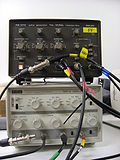 Pulse generators
 -
 Pulse wide wave
 -
 Fast pulse generator


Ad. Transform your life with W8MD's
GLP-1 weight loss injections special from $29.99 with insurance
|
WikiMD Medical Encyclopedia |
Medical Disclaimer: WikiMD is for informational purposes only and is not a substitute for professional medical advice. Content may be inaccurate or outdated and should not be used for diagnosis or treatment. Always consult your healthcare provider for medical decisions. Verify information with trusted sources such as CDC.gov and NIH.gov. By using this site, you agree that WikiMD is not liable for any outcomes related to its content. See full disclaimer.
Credits:Most images are courtesy of Wikimedia commons, and templates, categories Wikipedia, licensed under CC BY SA or similar.
Translate this page: - East Asian
中文,
日本,
한국어,
South Asian
हिन्दी,
தமிழ்,
తెలుగు,
Urdu,
ಕನ್ನಡ,
Southeast Asian
Indonesian,
Vietnamese,
Thai,
မြန်မာဘာသာ,
বাংলা
European
español,
Deutsch,
français,
Greek,
português do Brasil,
polski,
română,
русский,
Nederlands,
norsk,
svenska,
suomi,
Italian
Middle Eastern & African
عربى,
Turkish,
Persian,
Hebrew,
Afrikaans,
isiZulu,
Kiswahili,
Other
Bulgarian,
Hungarian,
Czech,
Swedish,
മലയാളം,
मराठी,
ਪੰਜਾਬੀ,
ગુજરાતી,
Portuguese,
Ukrainian
