Hibiscus syriacus
Hibiscus esculentus, also known as okra or lady's finger, is a flowering plant in the mallow family. It is valued for its edible green seed pods. The plant is cultivated in tropical, subtropical and warm temperate regions around the world.
Description
Hibiscus esculentus is an annual herb that can grow up to 2 meters tall. The plant's leaves are 10–20 cm long and broad, palmately lobed with 5–7 lobes. The flowers are 4–8 cm in diameter, with five white to yellow petals, often with a red or purple spot at the base of each petal. The fruit is a capsule up to 18 cm long, containing numerous seeds.
Cultivation
Hibiscus esculentus is a popular vegetable in many parts of the world. The plant is cultivated for its fibrous fruits or pods, which are used in cooking. The pods are picked when immature and are typically used in stews and soups. The seeds are also used as a source of oil.
Uses
In addition to its use as a vegetable, Hibiscus esculentus has several other uses. The leaves and flowers can be used to make a herbal tea, and the seeds can be roasted and ground into a coffee substitute. The plant is also used in traditional medicine, particularly in Africa, for the treatment of various ailments.
See also

-
 Hibiscus syriacus
 -
 Migrant hawker on Hibiscus syriacus
 -
 Hibiscus syriacus
 -
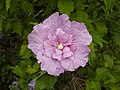 Hibiscus syriacus 'Lavender Chiffon'
 -
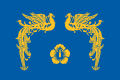 Flag of the President of South Korea
 -
 Hibiscus syriacus
.JPG)
_male_on_rose_mallow_(Hibiscus_syriacus).jpg)


Ad. Transform your life with W8MD's
GLP-1 weight loss injections special from $29.99 with insurance
|
WikiMD Medical Encyclopedia |
Medical Disclaimer: WikiMD is for informational purposes only and is not a substitute for professional medical advice. Content may be inaccurate or outdated and should not be used for diagnosis or treatment. Always consult your healthcare provider for medical decisions. Verify information with trusted sources such as CDC.gov and NIH.gov. By using this site, you agree that WikiMD is not liable for any outcomes related to its content. See full disclaimer.
Credits:Most images are courtesy of Wikimedia commons, and templates, categories Wikipedia, licensed under CC BY SA or similar.
Translate this page: - East Asian
中文,
日本,
한국어,
South Asian
हिन्दी,
தமிழ்,
తెలుగు,
Urdu,
ಕನ್ನಡ,
Southeast Asian
Indonesian,
Vietnamese,
Thai,
မြန်မာဘာသာ,
বাংলা
European
español,
Deutsch,
français,
Greek,
português do Brasil,
polski,
română,
русский,
Nederlands,
norsk,
svenska,
suomi,
Italian
Middle Eastern & African
عربى,
Turkish,
Persian,
Hebrew,
Afrikaans,
isiZulu,
Kiswahili,
Other
Bulgarian,
Hungarian,
Czech,
Swedish,
മലയാളം,
मराठी,
ਪੰਜਾਬੀ,
ગુજરાતી,
Portuguese,
Ukrainian
