Carbon farming
Carbon Farming
Carbon farming is a name for a variety of agricultural methods aimed at sequestering atmospheric carbon dioxide into the soil and in crop roots, wood and leaves. By increasing the rate at which plants take in carbon dioxide, carbon farming can help to slow the rate of global warming.
History
The concept of carbon farming was first proposed in the late 20th century as a response to the growing concern about the effects of greenhouse gases on the planet's climate. The idea is based on the natural process of photosynthesis, in which plants absorb carbon dioxide from the atmosphere and convert it into organic matter.
Methods
There are several methods of carbon farming, including agroforestry, silvopasture, cover cropping, and organic farming. These methods can be used individually or in combination, depending on the specific needs and conditions of the farm.
Agroforestry
Agroforestry is a method of farming that involves growing trees and shrubs in combination with crops or pasture. This method can help to sequester carbon in the soil and in the biomass of the trees and shrubs.
Silvopasture
Silvopasture is a method of farming that involves integrating trees, pasture, and livestock. The trees provide shade for the livestock, while the livestock help to fertilize the soil. This method can help to sequester carbon in the soil and in the biomass of the trees.
Cover Cropping
Cover cropping is a method of farming that involves planting a crop specifically to cover the soil, rather than for harvest. This can help to prevent soil erosion and increase soil fertility, both of which can help to sequester carbon.
Organic Farming
Organic farming is a method of farming that avoids the use of synthetic fertilizers and pesticides. This can help to increase soil fertility and sequester carbon.
Benefits
In addition to helping to mitigate climate change, carbon farming can also provide other benefits. These include improved soil health, increased crop yields, and enhanced farm resilience.
Challenges
Despite its potential benefits, carbon farming also faces several challenges. These include the need for more research and development, the lack of clear and consistent standards and regulations, and the need for financial incentives to encourage farmers to adopt these practices.
See Also

This article is a agriculture stub. You can help WikiMD by expanding it!
This climate change related article is a stub. You can help WikiMD by expanding it.
-
 SRS1000 being used to measure soil respiration in the field
 -
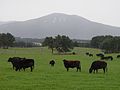 Jeju black cattle grazing


Ad. Transform your life with W8MD's
GLP-1 weight loss injections special from $29.99 with insurance
|
WikiMD Medical Encyclopedia |
Medical Disclaimer: WikiMD is for informational purposes only and is not a substitute for professional medical advice. Content may be inaccurate or outdated and should not be used for diagnosis or treatment. Always consult your healthcare provider for medical decisions. Verify information with trusted sources such as CDC.gov and NIH.gov. By using this site, you agree that WikiMD is not liable for any outcomes related to its content. See full disclaimer.
Credits:Most images are courtesy of Wikimedia commons, and templates, categories Wikipedia, licensed under CC BY SA or similar.
Translate this page: - East Asian
中文,
日本,
한국어,
South Asian
हिन्दी,
தமிழ்,
తెలుగు,
Urdu,
ಕನ್ನಡ,
Southeast Asian
Indonesian,
Vietnamese,
Thai,
မြန်မာဘာသာ,
বাংলা
European
español,
Deutsch,
français,
Greek,
português do Brasil,
polski,
română,
русский,
Nederlands,
norsk,
svenska,
suomi,
Italian
Middle Eastern & African
عربى,
Turkish,
Persian,
Hebrew,
Afrikaans,
isiZulu,
Kiswahili,
Other
Bulgarian,
Hungarian,
Czech,
Swedish,
മലയാളം,
मराठी,
ਪੰਜਾਬੀ,
ગુજરાતી,
Portuguese,
Ukrainian
