Laminotomy
Laminotomy is a neurosurgical procedure that involves the removal or trimming of a portion of the vertebral bone called the lamina. The procedure is performed to alleviate pressure on the spinal cord or spinal nerves, which can be caused by conditions such as spinal stenosis, herniated disc, or spinal tumors.
Procedure
A laminotomy is performed under general anesthesia. The surgeon makes an incision in the back over the affected area. Using specialized tools, the surgeon removes or trims a portion of the lamina to create more space for the spinal cord or nerves. The incision is then closed with sutures.
Indications
Laminotomy is indicated for conditions that cause pressure on the spinal cord or nerves. These conditions include spinal stenosis, herniated disc, and spinal tumors. Symptoms of these conditions can include back pain, sciatica, numbness or weakness in the limbs, and difficulty walking.
Risks and Complications
As with any surgical procedure, laminotomy carries risks. These can include infection, bleeding, nerve damage, and complications from anesthesia. There is also a risk that the procedure may not alleviate the symptoms.
Recovery
Recovery from a laminotomy can take several weeks. Physical therapy may be recommended to help regain strength and mobility. Pain medication may also be prescribed to manage post-operative pain.
See Also

This neurosurgery related article is a stub. You can help WikiMD by expanding it.
-
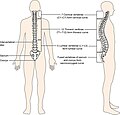 Laminotomy
 -
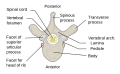 Laminotomy
 -
 Laminotomy
 -
 Laminotomy
 -
 Laminotomy
 -
 Laminotomy


,_uses_an_operating_microscope.jpg)


Ad. Transform your life with W8MD's
GLP-1 weight loss injections special from $29.99 with insurance
|
WikiMD Medical Encyclopedia |
Medical Disclaimer: WikiMD is for informational purposes only and is not a substitute for professional medical advice. Content may be inaccurate or outdated and should not be used for diagnosis or treatment. Always consult your healthcare provider for medical decisions. Verify information with trusted sources such as CDC.gov and NIH.gov. By using this site, you agree that WikiMD is not liable for any outcomes related to its content. See full disclaimer.
Credits:Most images are courtesy of Wikimedia commons, and templates, categories Wikipedia, licensed under CC BY SA or similar.
Translate this page: - East Asian
中文,
日本,
한국어,
South Asian
हिन्दी,
தமிழ்,
తెలుగు,
Urdu,
ಕನ್ನಡ,
Southeast Asian
Indonesian,
Vietnamese,
Thai,
မြန်မာဘာသာ,
বাংলা
European
español,
Deutsch,
français,
Greek,
português do Brasil,
polski,
română,
русский,
Nederlands,
norsk,
svenska,
suomi,
Italian
Middle Eastern & African
عربى,
Turkish,
Persian,
Hebrew,
Afrikaans,
isiZulu,
Kiswahili,
Other
Bulgarian,
Hungarian,
Czech,
Swedish,
മലയാളം,
मराठी,
ਪੰਜਾਬੀ,
ગુજરાતી,
Portuguese,
Ukrainian
