Kettle corn
Kettle corn is a sweet-and-salty variety of popcorn that is typically mixed with a light-colored refined sugar, salt, and oil. It was traditionally made in cast iron kettles, hence the name. The unique flavor of kettle corn lies in the contrast between the sweet sugar and the salty popcorn.
History
Kettle corn has a long history, dating back to the 18th century. It was first introduced by Dutch settlers in Pennsylvania in the 1770s. The corn was popped in large cast-iron kettles, from which the name "kettle corn" is derived. It was a popular treat at fairs and other festive occasions.
Preparation
The preparation of kettle corn is what sets it apart from other types of popcorn. The popcorn is popped in a large kettle or pot in a mixture of oil, sugar, and salt. This gives the popcorn a sweet and salty flavor that is distinct from regular popcorn. The sugar caramelizes as it heats, coating the popcorn with a thin, sweet shell.
Popularity
Kettle corn has seen a resurgence in popularity in recent years, particularly in the United States. It is often sold at fairs and carnivals, and is also available in pre-packaged bags in many grocery stores. The sweet-and-salty flavor of kettle corn makes it a popular snack for both children and adults.
Health Aspects
While kettle corn is a delicious treat, it is important to note that it is higher in sugar and calories than plain popcorn. However, it is still a healthier option than many other snack foods, as it is low in fat and contains fiber.
See Also

-
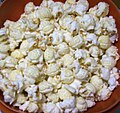 Kettle Corn
 -
 Kettlecorn Stand at USC

Ad. Transform your health with W8MD Weight Loss, Sleep & MedSpa

Tired of being overweight?
Special offer:
Budget GLP-1 weight loss medications
- Semaglutide starting from $29.99/week and up with insurance for visit of $59.99 and up per week self pay.
- Tirzepatide starting from $45.00/week and up (dose dependent) or $69.99/week and up self pay
✔ Same-week appointments, evenings & weekends
Learn more:
- GLP-1 weight loss clinic NYC
- W8MD's NYC medical weight loss
- W8MD Philadelphia GLP-1 shots
- Philadelphia GLP-1 injections
- Affordable GLP-1 shots NYC
|
WikiMD Medical Encyclopedia |
Medical Disclaimer: WikiMD is for informational purposes only and is not a substitute for professional medical advice. Content may be inaccurate or outdated and should not be used for diagnosis or treatment. Always consult your healthcare provider for medical decisions. Verify information with trusted sources such as CDC.gov and NIH.gov. By using this site, you agree that WikiMD is not liable for any outcomes related to its content. See full disclaimer.
Credits:Most images are courtesy of Wikimedia commons, and templates, categories Wikipedia, licensed under CC BY SA or similar.
Translate this page: - East Asian
中文,
日本,
한국어,
South Asian
हिन्दी,
தமிழ்,
తెలుగు,
Urdu,
ಕನ್ನಡ,
Southeast Asian
Indonesian,
Vietnamese,
Thai,
မြန်မာဘာသာ,
বাংলা
European
español,
Deutsch,
français,
Greek,
português do Brasil,
polski,
română,
русский,
Nederlands,
norsk,
svenska,
suomi,
Italian
Middle Eastern & African
عربى,
Turkish,
Persian,
Hebrew,
Afrikaans,
isiZulu,
Kiswahili,
Other
Bulgarian,
Hungarian,
Czech,
Swedish,
മലയാളം,
मराठी,
ਪੰਜਾਬੀ,
ગુજરાતી,
Portuguese,
Ukrainian
