Yi mein
Yi mein (also known as E-fu noodles, Yee-fu noodles, Yi noodles, or Yifu noodles) is a variety of flat Cantonese egg noodles made from wheat flour. They are known for their golden yellow color and chewy characteristics. The noodles are usually sold in a deep-fried form which needs to be softened in water before they can be cooked.
History
Yi mein was invented in 1963 by the Hong Kong-based noodle manufacturer, Sun Shun Fuk Foods Co. Ltd. The noodles were created to have a longer shelf life and be more convenient for transportation. They quickly gained popularity due to their unique texture and versatility in various dishes.
Preparation and Use
Yi mein is typically prepared by first soaking the deep-fried noodles in water until they become soft. They are then boiled until they reach the desired level of softness. The noodles can be used in a variety of dishes, including stir-fries, soups, and braised noodle dishes. They are often served at special occasions such as birthdays and weddings, as they symbolize longevity in Chinese culture.
Cultural Significance
In Chinese culture, yi mein is often associated with longevity and good luck, and is therefore commonly served at celebrations. The long, uncut strands of the noodles symbolize a long life, while the golden color is associated with wealth and prosperity.
See Also

-
 Lobster with soup yi fu noodles
 -
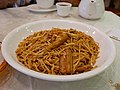 Yi mein dish by Peach Yeung
 -
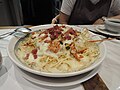 Cheese cream sauce baked with lobster
 -
 A bag of Yi Fu noodles from Siu Kee store
 -
 Shrimp powder with yi mein in Chinese noodles shop


Ad. Transform your life with W8MD's
GLP-1 weight loss injections special from $29.99 with insurance
|
WikiMD Medical Encyclopedia |
Medical Disclaimer: WikiMD is for informational purposes only and is not a substitute for professional medical advice. Content may be inaccurate or outdated and should not be used for diagnosis or treatment. Always consult your healthcare provider for medical decisions. Verify information with trusted sources such as CDC.gov and NIH.gov. By using this site, you agree that WikiMD is not liable for any outcomes related to its content. See full disclaimer.
Credits:Most images are courtesy of Wikimedia commons, and templates, categories Wikipedia, licensed under CC BY SA or similar.
Translate this page: - East Asian
中文,
日本,
한국어,
South Asian
हिन्दी,
தமிழ்,
తెలుగు,
Urdu,
ಕನ್ನಡ,
Southeast Asian
Indonesian,
Vietnamese,
Thai,
မြန်မာဘာသာ,
বাংলা
European
español,
Deutsch,
français,
Greek,
português do Brasil,
polski,
română,
русский,
Nederlands,
norsk,
svenska,
suomi,
Italian
Middle Eastern & African
عربى,
Turkish,
Persian,
Hebrew,
Afrikaans,
isiZulu,
Kiswahili,
Other
Bulgarian,
Hungarian,
Czech,
Swedish,
മലയാളം,
मराठी,
ਪੰਜਾਬੀ,
ગુજરાતી,
Portuguese,
Ukrainian
