Suidae
Suidae is a family of medium to large-sized mammals, commonly known as pigs, hogs, or boars. This family includes about 16 species divided into four genera, namely Sus, Babyrousa, Phacochoerus, and Potamochoerus.
Taxonomy and Evolution
The family Suidae is part of the order Artiodactyla, the even-toed ungulates. The earliest fossils of Suidae, dating back to the Oligocene epoch, have been found in Europe and Asia. The family diversified and spread to other parts of the world during the Miocene and Pliocene epochs.
Characteristics
Members of the Suidae family are characterized by their robust bodies, short legs, and long snouts. They have large heads with small eyes and ears. The dental formula of Suidae is unique among artiodactyls, with a variable number of incisors and canines, and a high number of premolars and molars.
Behavior and Ecology
Suidae are omnivorous animals, feeding on a wide range of food items, including roots, fruits, leaves, insects, small mammals, and carrion. They are also known for their wallowing behavior, which helps them regulate body temperature and protect against parasites.
Relationship with Humans
Several species of Suidae, particularly those in the genus Sus, have been domesticated by humans. Domestic pigs (Sus scrofa domesticus) are important livestock animals, providing meat (pork), leather, and other products. However, some species of Suidae, such as the wild boar (Sus scrofa), can be pests, causing damage to crops and spreading diseases.
See Also
References
<references />
.png)
-
 Suidae
 -
 Indian boar scavenging
 -
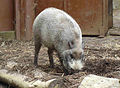 Bearded pig
 -
 Chleuastochoerus
 -
 Suidae
 -
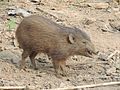 Pygmy hog in Assam breeding centre
 -
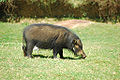 Hylochoerus meinertzhageni
 -
 Laufendes Pinselohrschwein
 -
 Southern warthog (Phacochoerus africanus sundevallii) male
 -
 Hirscheber


.jpg)


_male.jpg)

Ad. Transform your life with W8MD's
GLP-1 weight loss injections special from $29.99 with insurance
|
WikiMD Medical Encyclopedia |
Medical Disclaimer: WikiMD is for informational purposes only and is not a substitute for professional medical advice. Content may be inaccurate or outdated and should not be used for diagnosis or treatment. Always consult your healthcare provider for medical decisions. Verify information with trusted sources such as CDC.gov and NIH.gov. By using this site, you agree that WikiMD is not liable for any outcomes related to its content. See full disclaimer.
Credits:Most images are courtesy of Wikimedia commons, and templates, categories Wikipedia, licensed under CC BY SA or similar.
Translate this page: - East Asian
中文,
日本,
한국어,
South Asian
हिन्दी,
தமிழ்,
తెలుగు,
Urdu,
ಕನ್ನಡ,
Southeast Asian
Indonesian,
Vietnamese,
Thai,
မြန်မာဘာသာ,
বাংলা
European
español,
Deutsch,
français,
Greek,
português do Brasil,
polski,
română,
русский,
Nederlands,
norsk,
svenska,
suomi,
Italian
Middle Eastern & African
عربى,
Turkish,
Persian,
Hebrew,
Afrikaans,
isiZulu,
Kiswahili,
Other
Bulgarian,
Hungarian,
Czech,
Swedish,
മലയാളം,
मराठी,
ਪੰਜਾਬੀ,
ગુજરાતી,
Portuguese,
Ukrainian
