Sonodynamic therapy
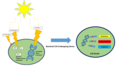
Sonodynamic therapy (SDT) is a form of ultrasound therapy in which ultrasound waves are used in conjunction with chemotherapeutic drugs or radiosensitizers to enhance the effects of the drugs. This therapy is primarily used in the treatment of cancer and other diseases.
Mechanism of Action
The mechanism of action of sonodynamic therapy involves the use of ultrasound waves to enhance the effects of chemotherapeutic drugs or radiosensitizers. The ultrasound waves are believed to increase the permeability of cell membranes, allowing the drugs to enter the cells more easily. This can enhance the effectiveness of the drugs and potentially reduce the amount of drug needed for treatment.
Applications
Sonodynamic therapy has been used in the treatment of various types of cancer, including breast cancer, lung cancer, and prostate cancer. It has also been used in the treatment of other diseases, such as Alzheimer's disease and Parkinson's disease.
Advantages
One of the main advantages of sonodynamic therapy is that it can potentially reduce the amount of chemotherapeutic drugs needed for treatment. This can reduce the side effects associated with these drugs. Additionally, because ultrasound waves can penetrate deep into tissues, sonodynamic therapy can be used to treat tumors that are difficult to reach with other forms of treatment.
Disadvantages
While sonodynamic therapy has many potential benefits, it also has some disadvantages. One of the main disadvantages is that the effects of the therapy can be difficult to predict. This is because the effects of the ultrasound waves can vary depending on the specific characteristics of the tumor and the surrounding tissues. Additionally, while the therapy can potentially reduce the amount of drug needed for treatment, it can also potentially increase the risk of drug resistance.
Future Research
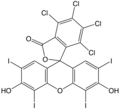
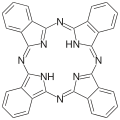
Future research in sonodynamic therapy is focused on improving the predictability and effectiveness of the therapy. This includes research into the specific mechanisms of action of the therapy, as well as research into new drugs and radiosensitizers that can be used in conjunction with the ultrasound waves.
 | |
|---|---|
 |
 |
-
 Sonodynamic therapy
 -
 Sonodynamic therapy
 -
 Sonodynamic therapy
 -
 Sonodynamic therapy
 -
 Sonodynamic therapy
 -
 Sonodynamic therapy
 -
 Sonodynamic therapy
 -
 Sonodynamic therapy
 -
 Sonodynamic therapy
 -
 Sonodynamic therapy
 -
 Sonodynamic therapy
 -
 Sonodynamic therapy

.jpg)


.svg)
Ad. Transform your health with W8MD Weight Loss, Sleep & MedSpa

Tired of being overweight?
Special offer:
Budget GLP-1 weight loss medications
- Semaglutide starting from $29.99/week and up with insurance for visit of $59.99 and up per week self pay.
- Tirzepatide starting from $45.00/week and up (dose dependent) or $69.99/week and up self pay
✔ Same-week appointments, evenings & weekends
Learn more:
- GLP-1 weight loss clinic NYC
- W8MD's NYC medical weight loss
- W8MD Philadelphia GLP-1 shots
- Philadelphia GLP-1 injections
- Affordable GLP-1 shots NYC
|
WikiMD Medical Encyclopedia |
Medical Disclaimer: WikiMD is for informational purposes only and is not a substitute for professional medical advice. Content may be inaccurate or outdated and should not be used for diagnosis or treatment. Always consult your healthcare provider for medical decisions. Verify information with trusted sources such as CDC.gov and NIH.gov. By using this site, you agree that WikiMD is not liable for any outcomes related to its content. See full disclaimer.
Credits:Most images are courtesy of Wikimedia commons, and templates, categories Wikipedia, licensed under CC BY SA or similar.
Translate this page: - East Asian
中文,
日本,
한국어,
South Asian
हिन्दी,
தமிழ்,
తెలుగు,
Urdu,
ಕನ್ನಡ,
Southeast Asian
Indonesian,
Vietnamese,
Thai,
မြန်မာဘာသာ,
বাংলা
European
español,
Deutsch,
français,
Greek,
português do Brasil,
polski,
română,
русский,
Nederlands,
norsk,
svenska,
suomi,
Italian
Middle Eastern & African
عربى,
Turkish,
Persian,
Hebrew,
Afrikaans,
isiZulu,
Kiswahili,
Other
Bulgarian,
Hungarian,
Czech,
Swedish,
മലയാളം,
मराठी,
ਪੰਜਾਬੀ,
ગુજરાતી,
Portuguese,
Ukrainian
