Phytosterol
Phytosterols (also called plant sterols) are a group of steroid compounds similar to cholesterol which occur in plants and vary only in carbon side chains and/or presence or absence of a double bond. They are an integral part of plant cell membranes, maintaining structural integrity just like cholesterol in animal cell membranes.
Structure and Classification
Phytosterols are classified into four major classes: sterol, stanol, stanol ester, and fatty acid ester of sterol. The structure of phytosterols is very similar to that of cholesterol, with the exception of the addition of an extra methyl or ethyl group at the C24 position on the side chain.
Sources
Phytosterols are found in the plant kingdom in small quantities. The richest naturally occurring sources of phytosterols are vegetable oils and products made from them. They can also be found in an array of nuts, seeds, legumes, and in smaller amounts in fruits and vegetables.
Health Benefits
Phytosterols have been shown to help lower LDL cholesterol levels. They work by reducing the absorption of cholesterol in the intestines by up to 50%. This can lead to a decrease in total cholesterol levels in the body.
Side Effects
While phytosterols have been shown to have health benefits, they can also have side effects. These can include diarrhea, nausea, and indigestion. It is recommended to consult a healthcare provider before starting any new supplement regimen.
See Also
 | |
|---|---|
 |
 |
-
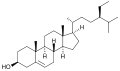 Sitosterol structure
 -
 Steroid numbering
 -
Sitosterol structure
-
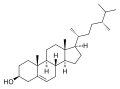 Campesterol structure
 -
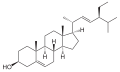 Stigmasterin structure
 -
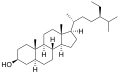 Stigmastanol structure
 -
 Campestanol structure
 -
 Brassicasterol structure
 -
 Cycloartenol structure
 -
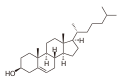 Cholesterol structure
 -
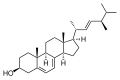 Ergosterol structure


Ad. Transform your life with W8MD's
GLP-1 weight loss injections special from $29.99 with insurance
|
WikiMD Medical Encyclopedia |
Medical Disclaimer: WikiMD is for informational purposes only and is not a substitute for professional medical advice. Content may be inaccurate or outdated and should not be used for diagnosis or treatment. Always consult your healthcare provider for medical decisions. Verify information with trusted sources such as CDC.gov and NIH.gov. By using this site, you agree that WikiMD is not liable for any outcomes related to its content. See full disclaimer.
Credits:Most images are courtesy of Wikimedia commons, and templates, categories Wikipedia, licensed under CC BY SA or similar.
Translate this page: - East Asian
中文,
日本,
한국어,
South Asian
हिन्दी,
தமிழ்,
తెలుగు,
Urdu,
ಕನ್ನಡ,
Southeast Asian
Indonesian,
Vietnamese,
Thai,
မြန်မာဘာသာ,
বাংলা
European
español,
Deutsch,
français,
Greek,
português do Brasil,
polski,
română,
русский,
Nederlands,
norsk,
svenska,
suomi,
Italian
Middle Eastern & African
عربى,
Turkish,
Persian,
Hebrew,
Afrikaans,
isiZulu,
Kiswahili,
Other
Bulgarian,
Hungarian,
Czech,
Swedish,
മലയാളം,
मराठी,
ਪੰਜਾਬੀ,
ગુજરાતી,
Portuguese,
Ukrainian
