Fibularis brevis
Fibularis brevis is a muscle of the human body, specifically located in the lateral part of the leg. It is one of the muscles involved in the movement of the foot and ankle. The fibularis brevis muscle is innervated by the superficial fibular nerve and receives its blood supply from the fibular artery.
Anatomy
The fibularis brevis muscle originates from the lower two-thirds of the fibula, a bone located on the lateral side of the tibia. It runs down the leg and inserts into the base of the fifth metatarsal, one of the long bones in the foot. The muscle is located deep to the fibularis longus muscle and is covered by the fibularis longus tendon as it curves around the lateral malleolus.
Function
The primary function of the fibularis brevis muscle is to evert the foot, which means to turn the sole of the foot outward. It also assists in plantarflexion of the foot, or pointing the toes downward. This muscle plays a crucial role in walking, running, and jumping.
Clinical Significance
Injury to the fibularis brevis muscle can result in foot and ankle pain, as well as difficulty in performing movements that involve eversion and plantarflexion of the foot. Treatment typically involves rest, physical therapy, and in some cases, surgery.
See Also
 | |
|---|---|
 |
 |
-
 Muscles of the leg that move the foot and toes
 -
 Fibularis brevis muscle
 -
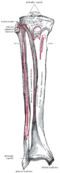 Muscles of the lower leg
 -
 Muscles of the leg
 -
 Muscles of the foot
 -
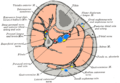 Muscles of the leg and foot
 -
 Muscles of the leg
 -
 Muscles of the leg
 -
 Fibularis brevis
 -
 Fibularis brevis
 -
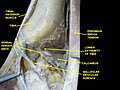 Fibularis brevis
 -
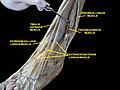 Fibularis brevis


Ad. Transform your life with W8MD's
GLP-1 weight loss injections special from $29.99 with insurance
|
WikiMD Medical Encyclopedia |
Medical Disclaimer: WikiMD is for informational purposes only and is not a substitute for professional medical advice. Content may be inaccurate or outdated and should not be used for diagnosis or treatment. Always consult your healthcare provider for medical decisions. Verify information with trusted sources such as CDC.gov and NIH.gov. By using this site, you agree that WikiMD is not liable for any outcomes related to its content. See full disclaimer.
Credits:Most images are courtesy of Wikimedia commons, and templates, categories Wikipedia, licensed under CC BY SA or similar.
Translate this page: - East Asian
中文,
日本,
한국어,
South Asian
हिन्दी,
தமிழ்,
తెలుగు,
Urdu,
ಕನ್ನಡ,
Southeast Asian
Indonesian,
Vietnamese,
Thai,
မြန်မာဘာသာ,
বাংলা
European
español,
Deutsch,
français,
Greek,
português do Brasil,
polski,
română,
русский,
Nederlands,
norsk,
svenska,
suomi,
Italian
Middle Eastern & African
عربى,
Turkish,
Persian,
Hebrew,
Afrikaans,
isiZulu,
Kiswahili,
Other
Bulgarian,
Hungarian,
Czech,
Swedish,
മലയാളം,
मराठी,
ਪੰਜਾਬੀ,
ગુજરાતી,
Portuguese,
Ukrainian
