Electronic circuit
Introduction
An electronic circuit is a network of interconnected electronic components that work together to perform a specific function. These circuits are the building blocks of various electronic devices, ranging from simple household appliances to complex computer systems. Understanding the principles and components of electronic circuits is essential for anyone interested in electronics or electrical engineering.
Components of an Electronic Circuit
Electronic circuits consist of various components that work together to control the flow of electric current. Some of the key components include:
Resistor: A resistor is an electronic component that limits the flow of electric current in a circuit. It is commonly used to control the voltage and current levels in a circuit.
Capacitor: A capacitor stores electrical energy in an electric field. It is used to store and release energy in electronic circuits, and can also be used to filter out unwanted frequencies.
Inductor: An inductor is a coil of wire that stores energy in a magnetic field. It is commonly used in circuits to control the flow of current and to store energy.
Transistor: A transistor is a semiconductor device that amplifies or switches electronic signals and electrical power. It is a fundamental component in modern electronic circuits.
Integrated circuit: An integrated circuit, also known as a microchip, is a small electronic device that contains a large number of interconnected transistors, resistors, capacitors, and other components. It is used to perform complex functions in electronic circuits.
Types of Electronic Circuits
There are various types of electronic circuits, each designed for specific purposes. Some common types include:
Analog circuit: An analog circuit processes continuous signals, such as sound or temperature, and represents them as continuously varying voltages or currents.
Digital circuit: A digital circuit processes discrete signals, represented as binary digits (0s and 1s). It is used in computers, calculators, and other digital devices.
Power circuit: A power circuit is designed to handle high voltages and currents. It is used in power supplies, motor control systems, and other high-power applications.
Radio frequency circuit: A radio frequency circuit is designed to handle high-frequency signals, typically used in wireless communication systems.
Importance of Electronic Circuits
Electronic circuits are the backbone of modern technology. They are used in a wide range of applications, including:
Consumer electronics: Electronic circuits are used in devices such as smartphones, televisions, and home appliances, enhancing our daily lives.
Communication systems: Electronic circuits enable the transmission and reception of signals in communication systems, including telephones, radios, and the internet.
Medical devices: Electronic circuits are used in medical devices such as pacemakers, MRI machines, and blood pressure monitors, helping to diagnose and treat various medical conditions.
Automotive industry: Electronic circuits are used in vehicles for various purposes, including engine control, entertainment systems, and safety features.
Conclusion
Electronic circuits play a crucial role in our modern world, enabling the functionality of numerous electronic devices and systems. Understanding the components, types, and applications of electronic circuits is essential for anyone interested in the field of electronics. By harnessing the power of electronic circuits, we continue to advance technology and improve our daily lives.

-
 Intel 8742 Microcontroller
 -
 Electronic Circuit Board
 -
 Common Base Amplifier Circuit
 -
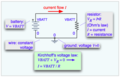 Simple Electrical Schematic with Ohm's Law


Ad. Transform your life with W8MD's
GLP-1 weight loss injections special from $29.99


W8MD Medical Weight Loss, Sleep and Medspa offers physician-supervised medical weight loss programs: NYC medical weight loss Philadelphia medical weight loss
Affordable GLP-1 Weight Loss ShotsAffordable GLP-1 Weight Loss Shots
Budget GLP-1 injections NYC (insurance & self-pay options) Popular treatments:
- Semaglutide starting from $29.99/week
- Tirzepatide starting from $45.00/week
✔ Most insurances accepted for visits ✔ Prior authorization support when eligible
Start your physician weight loss NYC journey today:
📍 NYC: Brooklyn weight loss center 📍 Philadelphia: Philadelphia weight loss center
📞 Call: 718-946-5500 (NYC) | 215-676-2334 (Philadelphia)
Tags: Affordable GLP1 weight loss NYC, Wegovy NYC, Zepbound NYC, Philadelphia medical weight loss


|
WikiMD Medical Encyclopedia |
Medical Disclaimer: WikiMD is not a substitute for professional medical advice. The information on WikiMD is provided as an information resource only, may be incorrect, outdated or misleading, and is not to be used or relied on for any diagnostic or treatment purposes. Please consult your health care provider before making any healthcare decisions or for guidance about a specific medical condition. WikiMD expressly disclaims responsibility, and shall have no liability, for any damages, loss, injury, or liability whatsoever suffered as a result of your reliance on the information contained in this site. By visiting this site you agree to the foregoing terms and conditions, which may from time to time be changed or supplemented by WikiMD. If you do not agree to the foregoing terms and conditions, you should not enter or use this site. See full disclaimer.
Credits:Most images are courtesy of Wikimedia commons, and templates, categories Wikipedia, licensed under CC BY SA or similar.
Translate this page: - East Asian
中文,
日本,
한국어,
South Asian
हिन्दी,
தமிழ்,
తెలుగు,
Urdu,
ಕನ್ನಡ,
Southeast Asian
Indonesian,
Vietnamese,
Thai,
မြန်မာဘာသာ,
বাংলা
European
español,
Deutsch,
français,
Greek,
português do Brasil,
polski,
română,
русский,
Nederlands,
norsk,
svenska,
suomi,
Italian
Middle Eastern & African
عربى,
Turkish,
Persian,
Hebrew,
Afrikaans,
isiZulu,
Kiswahili,
Other
Bulgarian,
Hungarian,
Czech,
Swedish,
മലയാളം,
मराठी,
ਪੰਜਾਬੀ,
ગુજરાતી,
Portuguese,
Ukrainian
