Pectineus muscle
Pectineus muscle is a flat, quadrangular muscle situated at the anterior (front) part of the upper and medial (inner) aspect of the thigh. The pectineus muscle is the most anterior adductor of the hip. The muscle does adduct and medially rotate the thigh but its primary function is hip flexion.
Etymology
The term "pectineus" is derived from the Latin word "pecten", which means comb, as the muscle is comb-like in shape.
Structure
The pectineus muscle originates from the pectineal line of the pubis and to a slight extent from the surface of bone in front of it, between the iliopectineal eminence and pubic tubercle, and from the fascia covering the anterior surface of the muscle. The fibers, directed downward, backward, and lateral, converge to a strong, flat tendon, which is inserted into the pectineal line of the femur, which leads to the lesser trochanter.
Function
The pectineus muscle is primarily responsible for hip flexion. It also adducts and medially rotates the thigh. As the most anterior adductor of the hip, the pectineus is in a position where it is optimized to flex the hip.
Clinical significance
Injury to the pectineus muscle or nerve can cause a pectineus muscle strain or groin pain. This can occur in activities that involve kicking, running or changing directions quickly, such as in football, soccer, and martial arts.
See also
References
<references />
 | |
|---|---|
 |
 |
-
 Anterior view of hip muscles
 -
 Pectineus muscle and surrounding anatomy
 -
 Muscles of the iliac and anterior femoral regions
 -
 Muscles of the thigh, anterior view
 -
 Deep muscles of the thigh
 -
 Muscles of the pelvic region
 -
 Muscles of the hip and thigh
 -
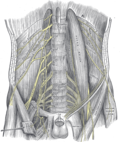 Muscles of the lower limb
 -
 Pectineus muscle
 -
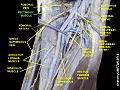 Pectineus muscle
 -
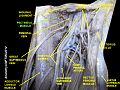 Pectineus muscle
 -
 Pectineus muscle


Ad. Transform your life with W8MD's
GLP-1 weight loss injections special from $29.99 with insurance
|
WikiMD Medical Encyclopedia |
Medical Disclaimer: WikiMD is for informational purposes only and is not a substitute for professional medical advice. Content may be inaccurate or outdated and should not be used for diagnosis or treatment. Always consult your healthcare provider for medical decisions. Verify information with trusted sources such as CDC.gov and NIH.gov. By using this site, you agree that WikiMD is not liable for any outcomes related to its content. See full disclaimer.
Credits:Most images are courtesy of Wikimedia commons, and templates, categories Wikipedia, licensed under CC BY SA or similar.
Translate this page: - East Asian
中文,
日本,
한국어,
South Asian
हिन्दी,
தமிழ்,
తెలుగు,
Urdu,
ಕನ್ನಡ,
Southeast Asian
Indonesian,
Vietnamese,
Thai,
မြန်မာဘာသာ,
বাংলা
European
español,
Deutsch,
français,
Greek,
português do Brasil,
polski,
română,
русский,
Nederlands,
norsk,
svenska,
suomi,
Italian
Middle Eastern & African
عربى,
Turkish,
Persian,
Hebrew,
Afrikaans,
isiZulu,
Kiswahili,
Other
Bulgarian,
Hungarian,
Czech,
Swedish,
മലയാളം,
मराठी,
ਪੰਜਾਬੀ,
ગુજરાતી,
Portuguese,
Ukrainian
