Femoral neck
Femoral Neck
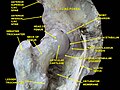
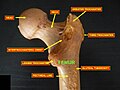
The femoral neck is a crucial anatomical structure located in the upper part of the thigh bone, known as the femur. It connects the femoral head (the ball-shaped top of the femur) to the shaft of the bone. The femoral neck plays a vital role in supporting body weight and facilitating movement of the hip joint. In this article, we will explore the anatomy, function, common injuries, and treatment options related to the femoral neck.
Anatomy
The femoral neck is a short, cylindrical segment of bone that connects the femoral head to the femoral shaft. It is located at the junction between the head and the shaft of the femur. The angle at which the femoral neck meets the shaft is known as the neck-shaft angle, which varies among individuals. This angle is important for maintaining stability and proper alignment of the hip joint.
Function
The femoral neck plays a crucial role in weight-bearing and transmitting forces from the upper body to the lower limbs. It is responsible for supporting body weight during activities such as walking, running, and jumping. Additionally, the femoral neck allows for a wide range of motion at the hip joint, enabling movements like flexion, extension, abduction, adduction, and rotation.
Common Injuries
Injuries to the femoral neck can occur due to various reasons, including trauma, repetitive stress, or underlying medical conditions. Some common injuries associated with the femoral neck include:
1. Femoral Neck Fracture: This is a serious injury that typically occurs in older individuals with weakened bones (osteoporosis) or as a result of high-energy trauma. It requires immediate medical attention and often necessitates surgical intervention.
2. Stress Fracture: Stress fractures are small cracks in the bone that develop due to repetitive stress or overuse. Athletes involved in high-impact activities, such as long-distance running or jumping, are more prone to stress fractures in the femoral neck.
3. Avascular Necrosis: Avascular necrosis refers to the death of bone tissue due to a lack of blood supply. It can affect the femoral neck, leading to pain, limited mobility, and potential collapse of the bone.
Treatment Options
The treatment of femoral neck injuries depends on the severity and type of injury. Some common treatment options include:
1. Non-Surgical Management: In cases of stress fractures or minor injuries, conservative treatment methods such as rest, pain management, physical therapy, and activity modification may be sufficient.
2. Surgical Intervention: Femoral neck fractures and severe cases of avascular necrosis often require surgical intervention. The surgical options may include internal fixation with screws, plates, or rods, or in some cases, a total hip replacement.
3. Rehabilitation: Following any femoral neck injury or surgical procedure, rehabilitation plays a crucial role in restoring strength, mobility, and function. Physical therapy exercises, gait training, and gradual return to activities are essential components of the rehabilitation process.
See Also
References
<references />
-
 Diagram showing angles of the femur
 -
 Classification of hip fractures
 -
 Femoral neck
 -
 Femoral neck


Ad. Transform your health with W8MD Weight Loss, Sleep & MedSpa

Tired of being overweight?
Special offer:
Budget GLP-1 weight loss medications
- Semaglutide starting from $29.99/week and up with insurance for visit of $59.99 and up per week self pay.
- Tirzepatide starting from $45.00/week and up (dose dependent) or $69.99/week and up self pay
✔ Same-week appointments, evenings & weekends
Learn more:
- GLP-1 weight loss clinic NYC
- W8MD's NYC medical weight loss
- W8MD Philadelphia GLP-1 shots
- Philadelphia GLP-1 injections
- Affordable GLP-1 shots NYC
|
WikiMD Medical Encyclopedia |
Medical Disclaimer: WikiMD is for informational purposes only and is not a substitute for professional medical advice. Content may be inaccurate or outdated and should not be used for diagnosis or treatment. Always consult your healthcare provider for medical decisions. Verify information with trusted sources such as CDC.gov and NIH.gov. By using this site, you agree that WikiMD is not liable for any outcomes related to its content. See full disclaimer.
Credits:Most images are courtesy of Wikimedia commons, and templates, categories Wikipedia, licensed under CC BY SA or similar.
Translate this page: - East Asian
中文,
日本,
한국어,
South Asian
हिन्दी,
தமிழ்,
తెలుగు,
Urdu,
ಕನ್ನಡ,
Southeast Asian
Indonesian,
Vietnamese,
Thai,
မြန်မာဘာသာ,
বাংলা
European
español,
Deutsch,
français,
Greek,
português do Brasil,
polski,
română,
русский,
Nederlands,
norsk,
svenska,
suomi,
Italian
Middle Eastern & African
عربى,
Turkish,
Persian,
Hebrew,
Afrikaans,
isiZulu,
Kiswahili,
Other
Bulgarian,
Hungarian,
Czech,
Swedish,
മലയാളം,
मराठी,
ਪੰਜਾਬੀ,
ગુજરાતી,
Portuguese,
Ukrainian
