Administrative divisions of American Samoa: Difference between revisions
CSV import |
No edit summary |
||
| Line 34: | Line 34: | ||
[[Category:Administrative divisions by country]] | [[Category:Administrative divisions by country]] | ||
{{US-geo-stub}} | {{US-geo-stub}} | ||
== Administrative divisions of American Samoa gallery == | == Administrative divisions of American Samoa gallery == | ||
<gallery> | <gallery> | ||
Latest revision as of 18:52, 16 March 2025
Administrative divisions of American Samoa refer to the ways in which the unincorporated territory of the United States, American Samoa, is divided for administrative purposes. The territory is located in the South Pacific Ocean and consists of five main islands and two coral atolls. The administrative divisions are crucial for governance, local administration, and the provision of public services.
Overview[edit]
American Samoa is divided into three distinct types of administrative divisions: districts, counties, and villages. These divisions are established under the laws of American Samoa and are used for statistical purposes, governance, and administration.
Districts[edit]
The territory is divided into three primary districts: Eastern District, Western District, and Manu'a District. Each district has its own unique geographical, cultural, and administrative characteristics. The Eastern and Western Districts are located on the largest island, Tutuila, while the Manu'a District comprises the islands of Ta‘ū, Ofu, and Olosega.
Eastern District[edit]
The Eastern District is the most populous district and includes the territorial capital, Pago Pago. It is the economic and governmental hub of American Samoa.
Western District[edit]
The Western District encompasses the western portion of Tutuila Island. It is known for its traditional villages and contributions to American Samoan culture.
Manu'a District[edit]
The Manu'a District consists of the Manu'a Islands and is known for its preservation of traditional Samoan culture. It is less populated and more remote than the other districts.
Counties[edit]
Within each district, there are smaller divisions known as counties. American Samoa has a total of 14 counties. Counties in American Samoa are not autonomous and do not have their own local governments but serve administrative and statistical purposes.
Villages[edit]
The most local level of administration in American Samoa is the village. There are over 70 villages in American Samoa, each with its own local leader or matai. The matai is responsible for local governance and social order within the village. Villages play a crucial role in maintaining the Fa'a Samoa, the traditional Samoan way of life.
Governance[edit]
The governance of American Samoa is unique in that it blends traditional Samoan customs with modern American administrative practices. The American Samoa Government is responsible for the administration of the territory, including its administrative divisions. The Governor of American Samoa, elected by the people, is the head of the government.
Challenges and Issues[edit]
The administrative divisions of American Samoa face various challenges, including natural disasters, economic development, and the preservation of culture. The territory's remote location and vulnerability to tropical cyclones pose significant risks to its infrastructure and development.
Conclusion[edit]
The administrative divisions of American Samoa play a vital role in the territory's governance, culture, and community life. Understanding these divisions is essential for grasping the unique administrative and cultural landscape of American Samoa.

Administrative divisions of American Samoa gallery[edit]
-
 Districts of American Samoa
 -
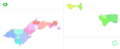 Counties of American Samoa
 -
 Villages of American Samoa


