Hylaeus alcyoneus: Difference between revisions
CSV import |
CSV import |
||
| Line 32: | Line 32: | ||
{{Hymenoptera-stub}} | {{Hymenoptera-stub}} | ||
{{No image}} | {{No image}} | ||
<gallery> | |||
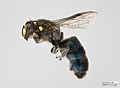
File:Hylaeus alcyoneus Male.jpg|Hylaeus alcyoneus Male | |||
</gallery> | |||
Revision as of 05:17, 3 March 2025
Hylaeus alcyoneus is a species of bee in the genus Hylaeus, belonging to the family Colletidae, commonly known as the plasterer or cellophane bees. This species, like others in its genus, is characterized by its relatively small size, distinctive facial markings, and the unique behavior of lining its nest cells with a cellophane-like secretion. Hylaeus alcyoneus is primarily found in specific geographic regions, contributing to its unique ecological role within its habitat. This article provides an overview of Hylaeus alcyoneus, including its taxonomy, physical description, habitat, behavior, and conservation status.
Taxonomy
Hylaeus alcyoneus was first described in the scientific literature in the 19th century. It belongs to the order Hymenoptera, which includes bees, wasps, ants, and sawflies. Within this order, it is placed in the family Colletidae, a group known for their solitary nesting habits and the production of a cellophane-like material used to line their nest cells.
Description
Hylaeus alcyoneus is a small bee, typically measuring between 4 to 7 mm in length. It has a predominantly black body with distinctive white or yellow facial markings that can be used to differentiate it from closely related species. Unlike many bees, Hylaeus species do not possess the typical pollen-carrying structures on their legs, as they carry pollen internally.
Habitat
The habitat of Hylaeus alcyoneus varies, but these bees are generally found in areas that provide ample nesting sites and a steady supply of nectar and pollen. They are known to nest in pre-existing cavities such as hollow stems, wood borings, and even man-made structures. Their preference for specific habitats contributes to their role as pollinators in their ecosystem, facilitating the reproduction of a variety of plant species.
Behavior
Hylaeus alcyoneus exhibits solitary behavior, with each female constructing and provisioning her own nest. The nests are lined with a waterproof, cellophane-like secretion that protects the developing larvae from moisture and pathogens. Females collect pollen and nectar, which they mix into a paste to feed their offspring. This species, like other Hylaeus bees, is an important pollinator, contributing to the health and diversity of their ecosystems.
Conservation Status
The conservation status of Hylaeus alcyoneus is not well-documented, but like many bee species, it faces threats from habitat loss, pesticide use, and climate change. Conservation efforts aimed at preserving natural habitats and promoting biodiversity are crucial for the survival of this and other bee species.
See Also
References
<references/>

This article is a Hymenoptera-related stub. You can help WikiMD by expanding it!
-
 Hylaeus alcyoneus Male

