Retroperitoneal bleeding: Difference between revisions
CSV import Tags: mobile edit mobile web edit |
CSV import |
||
| Line 39: | Line 39: | ||
{{medicine-stub}} | {{medicine-stub}} | ||
<gallery> | |||
File:Gray1126.png|Retroperitoneal bleeding | |||
</gallery> | |||
Revision as of 21:51, 20 February 2025
Retroperitoneal bleeding is a medical condition characterized by the accumulation of blood in the retroperitoneal space, an anatomical area located behind the peritoneum of the abdomen. This space contains various organs including the kidneys, pancreas, and parts of the intestines and aorta, making retroperitoneal bleeding a potentially life-threatening condition. It can result from various causes, including trauma, surgical procedures, and pathological conditions such as aneurysms or tumors.
Causes
Retroperitoneal bleeding can be caused by a variety of factors, which can be broadly classified into traumatic and non-traumatic causes.
Traumatic Causes
Traumatic causes include physical injuries that can result from accidents, falls, or blunt force trauma to the abdomen. These injuries can lead to the rupture of organs or blood vessels within the retroperitoneal space.
Non-Traumatic Causes
Non-traumatic causes encompass a range of medical conditions and procedures, such as:
- Anticoagulation therapy, which can predispose individuals to bleeding
- Aneurysms, particularly aortic aneurysms, that can rupture and bleed into the retroperitoneal space
- Cancers and tumors that erode blood vessels
- Pancreatitis, inflammation of the pancreas, which can lead to bleeding
- Endoscopic procedures or surgeries involving retroperitoneal organs
Symptoms
Symptoms of retroperitoneal bleeding can vary depending on the extent of the bleed and its cause. Common symptoms include:
- Severe abdominal pain or back pain
- A feeling of fullness in the abdomen
- Hypotension (low blood pressure) due to blood loss
- Signs of shock in severe cases, such as rapid heartbeat and dizziness
- Hematoma formation, which can manifest as a palpable mass in the abdomen
Diagnosis
Diagnosis of retroperitoneal bleeding involves a combination of clinical assessment and imaging studies. Computed tomography (CT) scans are particularly useful in identifying the location and extent of the bleeding. Ultrasound and magnetic resonance imaging (MRI) may also be employed in certain cases. Laboratory tests, including complete blood count (CBC) and coagulation profiles, are important for assessing the patient's blood loss and clotting ability.
Treatment
Treatment of retroperitoneal bleeding focuses on stabilizing the patient, stopping the bleed, and addressing the underlying cause. Initial management includes fluid resuscitation and blood transfusions to maintain blood pressure and replace lost blood. In cases where anticoagulation therapy is the cause, reversing the effects of anticoagulants may be necessary.
Surgical intervention may be required to control the bleeding, especially if it is due to trauma or aneurysm rupture. This can involve open surgery or minimally invasive techniques such as endovascular procedures. In some cases, the underlying condition, such as cancer or pancreatitis, may also require specific treatments.
Prognosis
The prognosis for individuals with retroperitoneal bleeding varies widely and depends on several factors, including the cause of the bleeding, the patient's overall health, and the speed and effectiveness of treatment. Early detection and prompt management are crucial for improving outcomes.

-
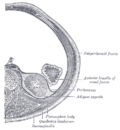 Retroperitoneal bleeding

