Estriol (medication): Difference between revisions
CSV import |
CSV import |
||
| Line 58: | Line 58: | ||
[[Category:Hormones]] | [[Category:Hormones]] | ||
[[Category:Gynecology]] | [[Category:Gynecology]] | ||
== Estriol (medication) == | |||
<gallery> | |||
File:Estriol.svg|Estriol.svg | |||
File:Estriol molecule ball.png|Estriol molecule ball | |||
File:Nuclear retention of the uterine receptor estrogen complex with an injection of estradiol, estriol, or a combination of estradiol and estriol in rats.png|Nuclear retention of the uterine receptor estrogen complex with an injection of estradiol, estriol, or a combination of estradiol and estriol in rats | |||
File:Levels of estriol with administration of 8 mg oral estriol or 0.5 mg vaginal estriol in women.png|Levels of estriol with administration of 8 mg oral estriol or 0.5 mg vaginal estriol in women | |||
</gallery> | |||
Latest revision as of 01:43, 20 February 2025
Estriol (medication)[edit]
Estriol is a medication that belongs to the group of estrogen hormones. It is a naturally occurring hormone that is produced by the ovaries during pregnancy. Estriol is primarily used in hormone replacement therapy (HRT) for the treatment of menopausal symptoms and to prevent osteoporosis in postmenopausal women. It is also used in the management of certain gynecological conditions.
Medical Uses[edit]
Estriol is commonly prescribed for the following medical conditions:
1. Menopausal symptoms: Estriol is used to alleviate symptoms such as hot flashes, vaginal dryness, and mood swings that occur during menopause. It helps restore hormonal balance and provides relief from these symptoms.
2. Osteoporosis prevention: Estriol is used to prevent the loss of bone density that occurs after menopause. It helps maintain bone strength and reduces the risk of fractures.
3. Gynecological conditions: Estriol is used in the management of certain gynecological conditions such as atrophic vaginitis, a condition characterized by inflammation and thinning of the vaginal walls. It helps relieve symptoms such as vaginal dryness, itching, and discomfort.
Mechanism of Action[edit]
Estriol exerts its effects by binding to estrogen receptors in various tissues throughout the body. It acts as an agonist, meaning it activates these receptors and mimics the effects of endogenous estrogen. Estriol helps regulate the growth and development of female reproductive organs, maintains bone density, and influences the cardiovascular system.
Dosage and Administration[edit]
Estriol is available in various dosage forms, including oral tablets, vaginal creams, and transdermal patches. The dosage and administration of estriol may vary depending on the specific condition being treated and the patient's individual needs. It is important to follow the instructions provided by the healthcare provider or the product label.
Side Effects[edit]
Common side effects associated with estriol use include:
1. Breast tenderness 2. Nausea 3. Headache 4. Vaginal bleeding or spotting 5. Fluid retention
It is important to note that the occurrence and severity of side effects may vary from person to person. If any side effects persist or worsen, it is advisable to consult a healthcare professional.
Precautions[edit]
Before using estriol, it is important to consider the following precautions:
1. Medical history: Inform your healthcare provider about any pre-existing medical conditions, especially if you have a history of breast cancer, blood clots, or liver disease.
2. Pregnancy and breastfeeding: Estriol is not recommended for use during pregnancy or while breastfeeding. Consult a healthcare professional for alternative options.
3. Interactions: Estriol may interact with certain medications, including blood thinners and anticonvulsants. Inform your healthcare provider about all the medications you are currently taking.
References[edit]
<references />
See Also[edit]
Estriol (medication)[edit]
-
 Estriol.svg
 -
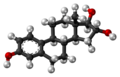 Estriol molecule ball
 -
 Nuclear retention of the uterine receptor estrogen complex with an injection of estradiol, estriol, or a combination of estradiol and estriol in rats
 -
 Levels of estriol with administration of 8 mg oral estriol or 0.5 mg vaginal estriol in women


