Birth control in Africa: Difference between revisions
CSV import |
CSV import |
||
| Line 42: | Line 42: | ||
{{medicine-stub}} | {{medicine-stub}} | ||
<gallery> | |||
File:SOWM2010 modern contraception.svg|Birth control in Africa | |||
File:Contraceptive Prevelance by Region of Africa.jpg|Birth control in Africa | |||
File:Contraceptive Use of African Women Age 15-40.png|Birth control in Africa | |||
</gallery> | |||
Latest revision as of 01:29, 20 February 2025
Birth Control in Africa
Birth control, also known as contraception, refers to the methods or devices used to prevent pregnancy. In Africa, the approach to birth control is multifaceted, influenced by cultural, social, economic, and health factors. This article explores the various aspects of birth control in Africa, including its history, current practices, challenges, and the impact on public health.
History[edit]
The history of birth control in Africa is deeply rooted in the continent's diverse cultures and traditions. Traditional methods of contraception have been used for centuries, varying significantly across different communities. These methods include prolonged breastfeeding, herbal remedies, and periodic abstinence. However, the introduction of modern contraceptive methods during the colonial and post-colonial periods marked a significant shift in birth control practices.
Modern Contraceptive Methods[edit]
Modern contraceptive methods have become more accessible across Africa, though availability varies widely by region. These methods include:
- Oral contraceptives: Also known as the pill, these are taken daily to prevent ovulation.
- Intrauterine devices (IUDs): Implanted devices that prevent fertilization or implantation.
- Condoms: Barrier methods that prevent sperm from reaching the egg.
- Injectable contraceptives: Hormonal injections that prevent ovulation, administered every few months.
- Implants: Small rods inserted under the skin that release hormones to prevent ovulation.
Cultural and Social Influences[edit]
Cultural and social factors play a significant role in the acceptance and use of birth control in Africa. In many communities, large families are valued, and fertility is often linked to social status and economic security. Religious beliefs also influence attitudes towards contraception, with some communities opposing their use on moral or doctrinal grounds.
Challenges[edit]
The implementation of effective birth control programs in Africa faces several challenges:
- Access to contraception: Despite improvements, access to modern contraceptives remains limited in many areas, particularly rural regions.
- Education and awareness: Lack of knowledge about contraceptive options and their use is a significant barrier.
- Healthcare infrastructure: Weak healthcare systems hinder the distribution and provision of contraceptive services.
- Cultural resistance: Resistance from certain communities and religious groups can limit the use of contraceptives.
Impact on Public Health[edit]
Effective birth control has a profound impact on public health in Africa. It can reduce maternal and infant mortality rates by preventing unintended pregnancies and unsafe abortions. Additionally, it can contribute to women's empowerment by allowing them to make informed choices about their reproductive health.
Future Directions[edit]
Efforts to improve birth control in Africa focus on increasing access to contraceptives, enhancing education and awareness, and addressing cultural and religious resistance. International and local organizations are working to strengthen healthcare systems and promote family planning as a key component of public health.
See Also[edit]
 | This medical article is a stub. You can help Wikipedia by adding missing information. |
-
 Birth control in Africa
 -
 Birth control in Africa
 -
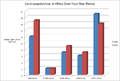 Birth control in Africa


