Nectar: Difference between revisions
CSV import |
CSV import |
||
| Line 32: | Line 32: | ||
File:Loxura_atymnus-Kadavoor-2018-06-18-001.jpg|Loxura atymnus | File:Loxura_atymnus-Kadavoor-2018-06-18-001.jpg|Loxura atymnus | ||
File:Nylanderia_flavipes_extrafloral_nectary.jpg|Nylanderia flavipes extrafloral nectary | File:Nylanderia_flavipes_extrafloral_nectary.jpg|Nylanderia flavipes extrafloral nectary | ||
</gallery> | |||
<gallery> | |||
File:Nectar.jpg|Nectar | |||
File:Buckwheat flowers macro.jpg|Buckwheat flowers macro | |||
File:Australian painted lady feeding closeup.jpg|Australian painted lady feeding closeup | |||
File:0rchideen 04.jpg|Orchids | |||
File:Ants on Drynaria.jpg|Ants on Drynaria | |||
File:Loxura atymnus-Kadavoor-2018-06-18-001.jpg|Loxura atymnus | |||
File:Nylanderia flavipes extrafloral nectary.jpg|Nylanderia flavipes extrafloral nectary | |||
</gallery> | </gallery> | ||
Revision as of 01:29, 20 February 2025
Nectar is a sugar-rich liquid produced by plants, particularly within their flowers. It serves a crucial role in the pollination process, attracting pollinators such as bees, butterflies, and hummingbirds. Nectar is composed primarily of sucrose, fructose, and glucose, and often includes small amounts of other organic compounds, such as amino acids and antioxidants.
Production and Function
Nectar is produced in plant structures known as nectaries. Most commonly, these are located within the flowers of the plant, but some plants also have extrafloral nectaries located elsewhere on the plant. The primary function of nectar is to attract pollinators, which in the process of feeding on the nectar, transfer pollen from the male parts of the flower to the female parts, facilitating fertilization.
Composition
The exact composition of nectar varies from plant to plant, but it is primarily composed of water and sugars. The most common sugars present are sucrose, fructose, and glucose. In addition to these, nectar can also contain a variety of other organic compounds, including amino acids, antioxidants, and volatile organic compounds that contribute to its aroma.
Role in Ecosystem
Nectar plays a crucial role in many ecosystems, providing a food source for a variety of animals, particularly insects and birds. By attracting these animals, nectar helps to facilitate the process of pollination, which is essential for the reproduction of many plants.
In Human Culture
Nectar has a significant place in human culture and economy. It is the primary food source for honeybees, which produce honey - a major agricultural product. Nectar is also referenced in various cultural and religious texts, often symbolizing sweetness or divinity.
 | |
|---|---|
 |
 |
-
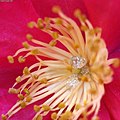 Nectar
 -
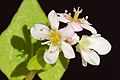 Buckwheat flowers macro
 -
 Australian painted lady feeding closeup
 -
 Nectar
 -
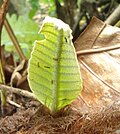 Ants on Drynaria
 -
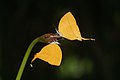 Loxura atymnus
 -
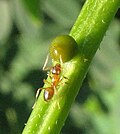 Nylanderia flavipes extrafloral nectary


-
Nectar
-
Buckwheat flowers macro
-
Australian painted lady feeding closeup
-
Orchids
-
Ants on Drynaria
-
Loxura atymnus
-
Nylanderia flavipes extrafloral nectary
