Infection in childcare: Difference between revisions
CSV import |
CSV import |
||
| Line 33: | Line 33: | ||
{{medicine-stub}} | {{medicine-stub}} | ||
<gallery> | |||
File:United States children eating at day care.jpg|Infection in childcare | |||
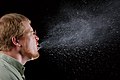
File:Sneeze.JPG|Infection in childcare | |||
File:Choosing Wisely antibiotics poster small English.pdf|Infection in childcare | |||
</gallery> | |||
Latest revision as of 01:13, 20 February 2025
Infection in Childcare refers to the transmission and spread of diseases within childcare settings, such as daycares, preschools, and nurseries. These environments, characterized by close contact and shared resources among children, are particularly susceptible to the outbreak of infectious diseases. Understanding the dynamics of infection in these settings is crucial for implementing effective prevention and control measures.
Overview[edit]
In childcare facilities, young children interact closely with each other and with caregivers, often engaging in activities that facilitate the spread of pathogens. These include sharing toys, touching the same surfaces, and the natural tendencies of young children to put objects in their mouths. The immune systems of young children are still developing, making them more vulnerable to infections.
Common Infections[edit]
Several common infections can spread in childcare settings, including but not limited to:
- Respiratory Infections: Such as the common cold, influenza, and respiratory syncytial virus (RSV), which are spread through respiratory droplets.
- Gastrointestinal Infections: Caused by viruses like norovirus and rotavirus, bacteria such as Salmonella and E. coli, and parasites like Giardia. These are spread through the fecal-oral route.
- Skin Infections: Including fungal infections (e.g., ringworm), bacterial infections (e.g., impetigo), and viral infections (e.g., molluscum contagiosum), which are spread through direct contact.
- Vaccine-Preventable Diseases: Such as measles, mumps, rubella, and chickenpox, which can be prevented through vaccination but may still occur in unvaccinated populations.
Prevention and Control[edit]
Effective prevention and control of infections in childcare settings involve a multi-faceted approach:
- Hand Hygiene: Regular hand washing with soap and water is one of the most effective ways to prevent the spread of infections.
- Sanitation and Disinfection: Regular cleaning and disinfecting of surfaces, toys, and other objects that children come into contact with.
- Vaccination: Ensuring that children and childcare workers are up to date with their vaccinations.
- Exclusion Policies: Implementing policies to exclude sick children and staff from the facility until they are no longer contagious.
- Education: Teaching children about good hygiene practices and educating parents and caregivers about the importance of vaccination and staying home when sick.
Challenges[edit]
Managing infections in childcare settings presents several challenges, including:
- The high turnover of children and staff, which can introduce new pathogens into the environment.
- The difficulty in implementing strict hygiene practices with young children.
- Balancing the need for exclusion policies with the practicalities faced by working parents.
Conclusion[edit]
Infection in childcare settings is a significant public health concern that requires the cooperation of parents, caregivers, and healthcare professionals to effectively manage. Through the implementation of comprehensive prevention and control measures, the spread of infectious diseases in these environments can be minimized, protecting the health and well-being of young children and those who care for them.

-
 Infection in childcare
 -
 Infection in childcare
 -
 Infection in childcare


