Mary West Niles: Difference between revisions
CSV import Tags: mobile edit mobile web edit |
CSV import |
||
| Line 8: | Line 8: | ||
Throughout her life, Niles received numerous awards and recognitions for her contributions to public health and social welfare. Her pioneering work paved the way for future generations of women in public health and remains a testament to the power of dedication and hard work in making a difference in the world. | Throughout her life, Niles received numerous awards and recognitions for her contributions to public health and social welfare. Her pioneering work paved the way for future generations of women in public health and remains a testament to the power of dedication and hard work in making a difference in the world. | ||
{{medicine-stub}} | {{medicine-stub}} | ||
<gallery> | |||
File:Mary West Niles.png|Mary West Niles | |||
File:Mary West Niles' Women's Class at Canton Seminary.jpg|Mary West Niles' Women's Class at Canton Seminary | |||
</gallery> | |||
Latest revision as of 01:10, 20 February 2025

Mary West Niles was an influential figure in the early 20th century, known for her contributions to public health and social reform. Born in the late 19th century, Niles dedicated her life to improving the living conditions and health standards of her community. Her work primarily focused on the prevention of infectious diseases and the promotion of public health education. Niles was educated at a time when women's access to higher education was limited. Despite these barriers, she pursued a career in public health, a field that was, at the time, predominantly male. Her determination and dedication to her cause led her to become one of the first women to hold a significant position in public health administration. Throughout her career, Mary West Niles was involved in several key public health initiatives. She played a crucial role in the establishment of the first public health clinics in her area, which provided essential services such as vaccinations, health screenings, and education on hygiene practices. These clinics were instrumental in reducing the spread of infectious diseases, such as tuberculosis and influenza, which were prevalent during her time. Niles also advocated for the improvement of living conditions as a means to prevent illness. She worked tirelessly to promote the construction of better housing, the improvement of sanitation services, and the provision of clean water. Her efforts contributed significantly to the reduction of disease transmission in densely populated urban areas. In addition to her work in public health, Mary West Niles was a vocal advocate for women's rights. She believed that empowering women through education and access to healthcare was essential for the overall improvement of society. Niles was involved in several women's organizations and used her platform to push for reforms that would allow women more opportunities in education and employment, particularly in the health sector. Her legacy is remembered for the profound impact she had on public health policies and practices. Mary West Niles's work laid the foundation for many modern public health initiatives and continues to inspire public health professionals and social reformers. Throughout her life, Niles received numerous awards and recognitions for her contributions to public health and social welfare. Her pioneering work paved the way for future generations of women in public health and remains a testament to the power of dedication and hard work in making a difference in the world.

-
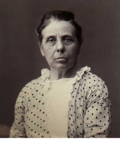 Mary West Niles
 -
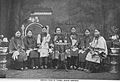 Mary West Niles' Women's Class at Canton Seminary


