Blood vessel disorder: Difference between revisions
CSV import |
CSV import |
||
| Line 63: | Line 63: | ||
{{medicine-stub}} | {{medicine-stub}} | ||
<gallery> | |||
File:Atherosclerosis diagram.png|Blood vessel disorder | |||
File:Raynauld.jpg|Blood vessel disorder | |||
File:Erythromelalgia.jpg|Blood vessel disorder | |||
File:Angiography coronary stenosis 01.jpg|Blood vessel disorder | |||
</gallery> | |||
Latest revision as of 00:40, 20 February 2025
Blood vessel disorders encompass a range of conditions that affect the blood vessels, including the arteries, veins, and capillaries. These disorders can lead to significant health problems, impacting the circulatory system's ability to function effectively. Understanding the types, causes, symptoms, and treatments of blood vessel disorders is crucial for managing these conditions.
Types of Blood Vessel Disorders[edit]
Blood vessel disorders can be broadly categorized into several types, each affecting different parts of the vascular system:
1. Arterial Disorders: These affect the arteries, which are blood vessels that carry oxygen-rich blood away from the heart. Common arterial disorders include atherosclerosis, peripheral artery disease (PAD), and aneurysms.
2. Venous Disorders: These impact the veins, responsible for returning deoxygenated blood back to the heart. Examples include deep vein thrombosis (DVT), varicose veins, and chronic venous insufficiency (CVI).
3. Capillary Disorders: These involve the capillaries, the smallest blood vessels in the body, which facilitate the exchange of water, oxygen, carbon dioxide, and many other nutrients and waste substances between blood and tissues. Conditions such as telangiectasia and hereditary hemorrhagic telangiectasia (HHT) fall under this category.
Causes[edit]
The causes of blood vessel disorders vary depending on the specific condition but can include factors such as genetics, lifestyle choices, and other underlying health issues. Common causes include:
- High blood pressure - High cholesterol - Smoking - Diabetes - Obesity - Inactivity - Family history of vascular or heart diseases
Symptoms[edit]
Symptoms of blood vessel disorders also vary widely but may include:
- Pain or discomfort in the affected area - Swelling - Changes in skin color (e.g., redness) - Varicose veins - Ulcers or sores that do not heal - Decreased mobility
Diagnosis[edit]
Diagnosis of blood vessel disorders typically involves a combination of medical history review, physical examination, and diagnostic tests, which may include:
- Blood tests - Ultrasound or Doppler studies - Angiography - CT or MRI scans
Treatment[edit]
Treatment for blood vessel disorders depends on the specific condition and its severity but may include:
- Lifestyle changes (e.g., diet, exercise, quitting smoking) - Medications to manage symptoms and underlying causes (e.g., blood thinners, cholesterol-lowering drugs) - Surgical procedures (e.g., angioplasty, vein stripping, vascular bypass surgery) - Minimally invasive treatments (e.g., sclerotherapy, endovenous laser treatment)
Prevention[edit]
Preventing blood vessel disorders involves managing risk factors and leading a healthy lifestyle. Recommendations include:
- Maintaining a healthy weight - Exercising regularly - Eating a balanced diet - Avoiding tobacco use - Managing chronic conditions such as diabetes and high blood pressure
Conclusion[edit]
Blood vessel disorders represent a significant health concern due to their potential impact on the circulatory system and overall well-being. Early detection, effective management, and lifestyle modifications are key to preventing complications associated with these conditions.

-
 Blood vessel disorder
 -
 Blood vessel disorder
 -
 Blood vessel disorder
 -
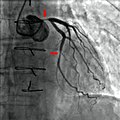 Blood vessel disorder


