Α,N,N-Trimethyltryptamine: Difference between revisions
CSV import |
CSV import |
||
| Line 33: | Line 33: | ||
{{pharmacology-stub}} | {{pharmacology-stub}} | ||
== Α,N,N-Trimethyltryptamine == | |||
<gallery> | |||
File:A,N,N-TMT.svg|Α,N,N-Trimethyltryptamine | |||
File:A,A,N-TMT.png|Α,N,N-Trimethyltryptamine | |||
</gallery> | |||
Latest revision as of 00:36, 20 February 2025
Α,N,N-Trimethyltryptamine (also known as TMT) is a psychedelic and hallucinogenic substance found in various plants and animals. It is a member of the tryptamine family, which also includes other psychoactive compounds such as psilocybin and serotonin.
Chemistry[edit]
Α,N,N-Trimethyltryptamine is a tryptamine derivative, structurally similar to other tryptamine-based substances. It is characterized by a core structure comprised of a bicyclic indole heterocycle attached at R3 to an amino group via an ethyl side chain. It is further substituted at R1 of its indole heterocycle with a methyl group.
Pharmacology[edit]
The pharmacological action of Α,N,N-Trimethyltryptamine is primarily through its action on the serotonin receptor, specifically the 5-HT2A receptor. It acts as a partial agonist at this receptor, leading to a range of psychoactive effects. The exact mechanism of action is not fully understood, but it is believed to involve a complex interplay of receptor binding and activation, as well as possible interactions with other neurotransmitter systems.
Effects[edit]
The effects of Α,N,N-Trimethyltryptamine can vary widely depending on the dose, the individual's physiology, and the context in which it is used. Common effects include visual hallucinations, altered perception of time and space, euphoria, and introspective experiences. At higher doses, it can induce a state of psychedelic experience known as "ego death", characterized by a loss of sense of self and a perceived encounter with profound, often spiritual, realities.
Legal Status[edit]
The legal status of Α,N,N-Trimethyltryptamine varies by country. In many jurisdictions, it is classified as a controlled substance, making its manufacture, distribution, or use without a license or prescription illegal. However, in some countries, it is legal for use in religious or spiritual ceremonies.
See Also[edit]
References[edit]
<references />

Α,N,N-Trimethyltryptamine[edit]
-
 Α,N,N-Trimethyltryptamine
 -
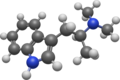 Α,N,N-Trimethyltryptamine


