Discovery and development of dipeptidyl peptidase-4 inhibitors: Difference between revisions
CSV import |
CSV import |
||
| Line 21: | Line 21: | ||
[[Category:Diabetes medications]] | [[Category:Diabetes medications]] | ||
{{pharmacology-stub}} | {{pharmacology-stub}} | ||
<gallery> | |||
File:Inhibition_of_DPP-4_enzyme.JPG|Inhibition of DPP-4 enzyme | |||
File:Teikning2_DPP-4.JPG|Teikning2 DPP-4 | |||
File:The_inhibitor_ligand_and_the_DPP-4_binding_site.png|The inhibitor ligand and the DPP-4 binding site | |||
File:Substrate-like_inhibitors_and_binding_to_the_DPP-4_complex.png|Substrate-like inhibitors and binding to the DPP-4 complex | |||
File:Intramolecular_cyclization_of_cis-rotamer.svg|Intramolecular cyclization of cis-rotamer | |||
File:Structure_of_cyanopyrrolidine_DPP-4_inhibitors.svg|Structure of cyanopyrrolidine DPP-4 inhibitors | |||
File:Sitagliptin.svg|Sitagliptin | |||
File:ABT-341.svg|ABT-341 | |||
File:Quinazolinone_based_structure_developed_to_alogliptin.png|Quinazolinone based structure developed to alogliptin | |||
File:Structure_of_xanthine_type_DPP-4_inhibitors.svg|Structure of xanthine type DPP-4 inhibitors | |||
</gallery> | |||
Latest revision as of 12:17, 18 February 2025
Discovery and Development of Dipeptidyl Peptidase-4 Inhibitors
The discovery and development of dipeptidyl peptidase-4 (DPP-4) inhibitors mark a significant advancement in the treatment of type 2 diabetes. DPP-4 inhibitors, also known as gliptins, are a class of oral hypoglycemics that exert their effect by inhibiting the enzyme dipeptidyl peptidase-4. This enzyme is responsible for the inactivation of incretin hormones, which are crucial for the regulation of blood glucose levels. By inhibiting DPP-4, these drugs increase the levels of active incretins, leading to improved insulin secretion, decreased glucagon secretion, and ultimately, reduced blood glucose levels.
Discovery[edit]
The journey towards the discovery of DPP-4 inhibitors began in the late 20th century, with the understanding that incretin hormones, such as glucagon-like peptide-1 (GLP-1) and glucose-dependent insulinotropic polypeptide (GIP), play a vital role in glucose homeostasis. Researchers identified that the rapid degradation of these hormones by DPP-4 was a limiting factor in their therapeutic potential for diabetes management. This realization sparked interest in developing inhibitors of DPP-4 as a novel approach to enhance incretin action and control blood glucose levels in patients with type 2 diabetes.
Development[edit]
The development of DPP-4 inhibitors involved extensive pharmacological research and clinical trials to identify compounds that could effectively inhibit the DPP-4 enzyme without causing significant side effects. The first DPP-4 inhibitor, sitagliptin, was approved by the FDA in 2006, followed by others such as vildagliptin, saxagliptin, and linagliptin. These drugs demonstrated efficacy in lowering blood glucose levels, with a low risk of causing hypoglycemia and without promoting weight gain, which are common concerns with other diabetes medications.
Clinical Trials[edit]
Clinical trials of DPP-4 inhibitors have shown them to be effective in improving glycemic control in patients with type 2 diabetes, both as monotherapy and in combination with other antidiabetic drugs. These trials have also evaluated the cardiovascular safety of DPP-4 inhibitors, which is a critical consideration in the management of type 2 diabetes, given the increased risk of cardiovascular disease associated with the condition.
Mechanism of Action[edit]
DPP-4 inhibitors work by selectively inhibiting the DPP-4 enzyme, leading to an increase in the levels of active incretin hormones. This results in enhanced glucose-dependent insulin secretion, reduced glucagon secretion, and improved glycemic control. The mechanism of action of DPP-4 inhibitors is unique among antidiabetic drugs, making them an important option in the treatment of type 2 diabetes.
Future Directions[edit]
Research into DPP-4 inhibitors continues, with efforts focused on understanding their long-term effects, optimizing their use in diabetes management, and exploring their potential benefits beyond glycemic control. There is also interest in developing new DPP-4 inhibitors with improved efficacy, safety, and patient convenience.

-
 Inhibition of DPP-4 enzyme
 -
 Teikning2 DPP-4
 -
 The inhibitor ligand and the DPP-4 binding site
 -
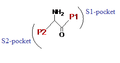 Substrate-like inhibitors and binding to the DPP-4 complex
 -
 Intramolecular cyclization of cis-rotamer
 -
 Structure of cyanopyrrolidine DPP-4 inhibitors
 -
 Sitagliptin
 -
 ABT-341
 -
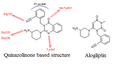 Quinazolinone based structure developed to alogliptin
 -
 Structure of xanthine type DPP-4 inhibitors


