Calcium pyrophosphate dihydrate crystal deposition disease: Difference between revisions
CSV import |
CSV import |
||
| Line 24: | Line 24: | ||
File:Pseudogout_-_high_mag.jpg|Pseudogout - high magnification | File:Pseudogout_-_high_mag.jpg|Pseudogout - high magnification | ||
File:Calcium_pyrophosphate_dihydrate_crystals_without_and_with_condenser,_annotated.jpg|Calcium pyrophosphate dihydrate crystals without and with condenser | File:Calcium_pyrophosphate_dihydrate_crystals_without_and_with_condenser,_annotated.jpg|Calcium pyrophosphate dihydrate crystals without and with condenser | ||
</gallery> | |||
<gallery> | |||
File:Pseudogout_crystals_(calcium_pyrophosphate_dihydrate_crystal).png|Pseudogout crystals (calcium pyrophosphate dihydrate crystal) | |||
File:Calcium_pyrophosphate.png|Calcium pyrophosphate | |||
File:Chondrocalcinosis_-_annotated.jpg|Chondrocalcinosis - annotated | |||
File:Pseudogout_-_high_mag.jpg|Pseudogout - high magnification | |||
File:Calcium_pyrophosphate_dihydrate_crystals_without_and_with_condenser,_annotated.jpg|Calcium pyrophosphate dihydrate crystals without and with condenser, annotated | |||
</gallery> | </gallery> | ||
Revision as of 11:30, 18 February 2025
Calcium pyrophosphate dihydrate crystal deposition disease (CPPD), also known as pyrophosphate arthropathy or pseudogout, is a type of arthritis that results from the deposition of calcium pyrophosphate dihydrate (CPPD) crystals in the joints. This condition can lead to episodes of joint inflammation and pain, which are often mistaken for gout, a similar condition caused by the deposition of uric acid crystals.
Symptoms and Diagnosis
The symptoms of CPPD include sudden, severe joint pain, swelling, and warmth, most commonly affecting the knees, wrists, shoulders, ankles, elbows, or hands. The episodes, often referred to as "attacks," can vary in frequency and intensity. Diagnosis typically involves a combination of clinical evaluation, X-ray imaging, which may show characteristic calcifications known as "chondrocalcinosis," and analysis of joint fluid to identify CPPD crystals under a microscope.
Causes and Risk Factors
The exact cause of CPPD is not fully understood, but it is believed to involve a combination of genetic and environmental factors. Age is a significant risk factor, with the condition more commonly affecting older adults. Other risk factors may include a history of joint injury, certain metabolic disorders such as hyperparathyroidism, and a family history of the disease.
Treatment
While there is no cure for CPPD, treatment focuses on managing symptoms and preventing future attacks. This may include nonsteroidal anti-inflammatory drugs (NSAIDs) for pain and inflammation, colchicine to reduce the frequency of attacks, and corticosteroid injections directly into the affected joint for severe cases. Physical therapy may also be recommended to maintain joint function and mobility.
Prognosis
The prognosis for individuals with CPPD varies. Some may experience only occasional attacks, while others may develop chronic arthritis with joint damage over time. Early diagnosis and management are crucial to improving quality of life and preventing long-term complications.

-
 Birefringence microscopy of pseudogout
 -
 Pseudogout crystals (calcium pyrophosphate dihydrate crystal)
 -
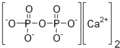 Calcium pyrophosphate
 -
 Chondrocalcinosis
 -
 Pseudogout - high magnification
 -
 Calcium pyrophosphate dihydrate crystals without and with condenser

.png)


-
Pseudogout crystals (calcium pyrophosphate dihydrate crystal)
-
Calcium pyrophosphate
-
Chondrocalcinosis - annotated
-
Pseudogout - high magnification
-
Calcium pyrophosphate dihydrate crystals without and with condenser, annotated
